
Home \ Mental Health Treatment Programs \ Anger Management Program
Anger Management Treatment in San Marcos, TX
Our anger management treatment in San Marcos, TX uses CBT, coping skills, and dual diagnosis care to help you stay calm and keep your relationships intact.
- Joint Commission Accredited
- Confidential Admissions
- Evidence-Based Care



What Is an Anger Management Program?
Let’s get one thing straight first. Anger is normal. Everybody feels it, and sometimes it’s even useful. The trouble starts when anger begins making your decisions for you. When it’s costing you relationships. When your body pays the price. And here’s what most people miss: anger is often a messenger. Underneath it, there’s usually something else going on. Chronic stress, maybe. Old trauma. Anxiety, depression, or drinking that’s crept past casual.
An anger management program is structured therapy that digs into what’s really fueling the fire, then teaches you a different way to respond. What does that look like in practice? You get to know your triggers. You learn to catch the early warning signs your body sends before things blow up, the tight jaw, the hot face, the racing thoughts. You start questioning the thought patterns that keep making things worse. And you walk away with coping skills that hold up in real life, not just in a quiet therapy office.
Most solid programs are built on cognitive-behavioral skill work because it strengthens emotional regulation, communication, and how you make decisions under pressure. SAMHSA has even published a CBT-based anger management approach for people dealing with substance use and mental health needs at the same time.
What to Expect From Anger Management Counseling in San Marcos
No lectures here. Good anger management is practical, and it’s personal. Your plan gets shaped around your triggers, your relationships, and what you actually want to change. Nothing generic.
A Focused Assessment Beneath the Anger
Triggers. Stress. Sleep. Substance use. Trauma history. We look under the hood properly, so nothing important gets missed.
Evidence-Based Therapy That Teaches Real Skills
CBT strategies and emotional regulation tools, practiced until they stick. Trigger awareness, thought reframing, problem-solving.
Communication and Conflict Repair Skills
How to say what you mean without escalating. How to set a boundary without a threat. How to repair trust afterward.
Stress-Response Reset Tools
Breathing, grounding, mindfulness, routine. Simple tools that calm your nervous system so you can respond, not just react.
Most Insurances Accepted
Texas Helps works with many major insurance providers. Some insurance plans may cover part or all of the treatment costs. Our admissions team can help check your benefits and explain your options.










Check if your insurance will cover the cost of treatment
Why Choose Texas Helps for Anger Management
We’re licensed. We’re accredited. And we’re local, which matters more than people think. New skills need consistency to stick, and consistency is a lot easier when help is close to home.

Joint Commission-Accredited Care
Real standards for safety, clinical practice, and constant improvement. Not just a badge on a wall.
Trauma-Informed Approach
Integrated Mental Health and Addiction Care
Anxiety, depression, PTSD, substance use. Whatever travels with your anger gets treated, too.
Local Support for San Marcos and Central Texas
San Marcos, Hays County, Kyle, Buda, New Braunfels, Seguin, the Austin area. We’re nearby.
Recovery Testimonies
Our Google Reviews share stories from alumni and their families who found help at Texas Helps. Their experiences reflect the compassionate care and support our team provides every day.


I had a truly life‑changing experience at this treatment center. The staff is compassionate, knowledgeable, and genuinely committed to helping each person succeed. From the moment I walked in, I felt supported and understood. The programs are well‑structured, the environment is calming, and the level of care is exceptional. I’m incredibly grateful for the tools and confidence I gained here. Highly recommend to anyone seeking real, meaningful help.
Texas Helps alcohol treatment worked on me. I truly appreciate their staff. They ask questions and actually listen to your responses. I have been to other places where they just write prescriptions and send you on your way. Texas Helps is not like that at all. They really care about all of their visitors. They are always professional, as well as polite. I highly recommend them.
I demonstrate a strong commitment to the values and mission of Texas Helps by consistently providing compassionate, client-centered care. Other staff members approach clients with empathy, patience, and respect, even in high-acuity or challenging situations, which contributed to a therapeutic environment that promotes safety, dignity, and engagement in treatment. I am able to provide holistic care through active collaboration with psychiatry and nursing staff members.
I had a truly life‑changing experience at this treatment center. The staff is compassionate, knowledgeable, and genuinely committed to helping each person succeed. From the moment I walked in, I felt supported and understood. The programs are well‑structured, the environment is calming, and the level of care is exceptional. I’m incredibly grateful for the tools and confidence I gained here. Highly recommend to anyone seeking real, meaningful help.
Texas Helps alcohol treatment worked on me. I truly appreciate their staff. They ask questions and actually listen to your responses. I have been to other places where they just write prescriptions and send you on your way. Texas Helps is not like that at all. They really care about all of their visitors. They are always professional, as well as polite. I highly recommend them.
I demonstrate a strong commitment to the values and mission of Texas Helps by consistently providing compassionate, client-centered care. Other staff members approach clients with empathy, patience, and respect, even in high-acuity or challenging situations, which contributed to a therapeutic environment that promotes safety, dignity, and engagement in treatment. I am able to provide holistic care through active collaboration with psychiatry and nursing staff members.
Anger, Addiction, and Dual Diagnosis Care

When Anger and Substance Use Are Connected
Alcohol and drugs lower your inhibitions and sharpen impulsivity. Meanwhile, anger that’s become your default stress response can drive cravings right back up.
Integrated Dual Diagnosis Treatment
Support for Families and Loved Ones
Family therapy, communication coaching, boundary work. Because home needs to feel safe again, for everyone.
Medication When Clinically Appropriate
Therapy leads here. But if your anger ties back to a co-occurring condition, FDA-approved medication may be considered too, with monitoring.

Start Anger Management Treatment in San Marcos Today
When your anger starts hurting the people you love, something has to change. You already know that, or you wouldn’t be reading this. Anger management treatment at Texas Helps in San Marcos gives you real, workable skills. Understanding your triggers. Calming your stress response before it takes over. Responding in ways that protect your relationships rather than wreck them.
Maybe anger is the whole story for you. Maybe it’s tangled up with anxiety, depression, trauma, or substance use. Either way, our team builds the plan with you, side by side. A plan. Not a lecture. And starting couldn’t be simpler: one private phone call, any hour of the day or night. We’ll talk it through and verify your insurance while we’re at it.
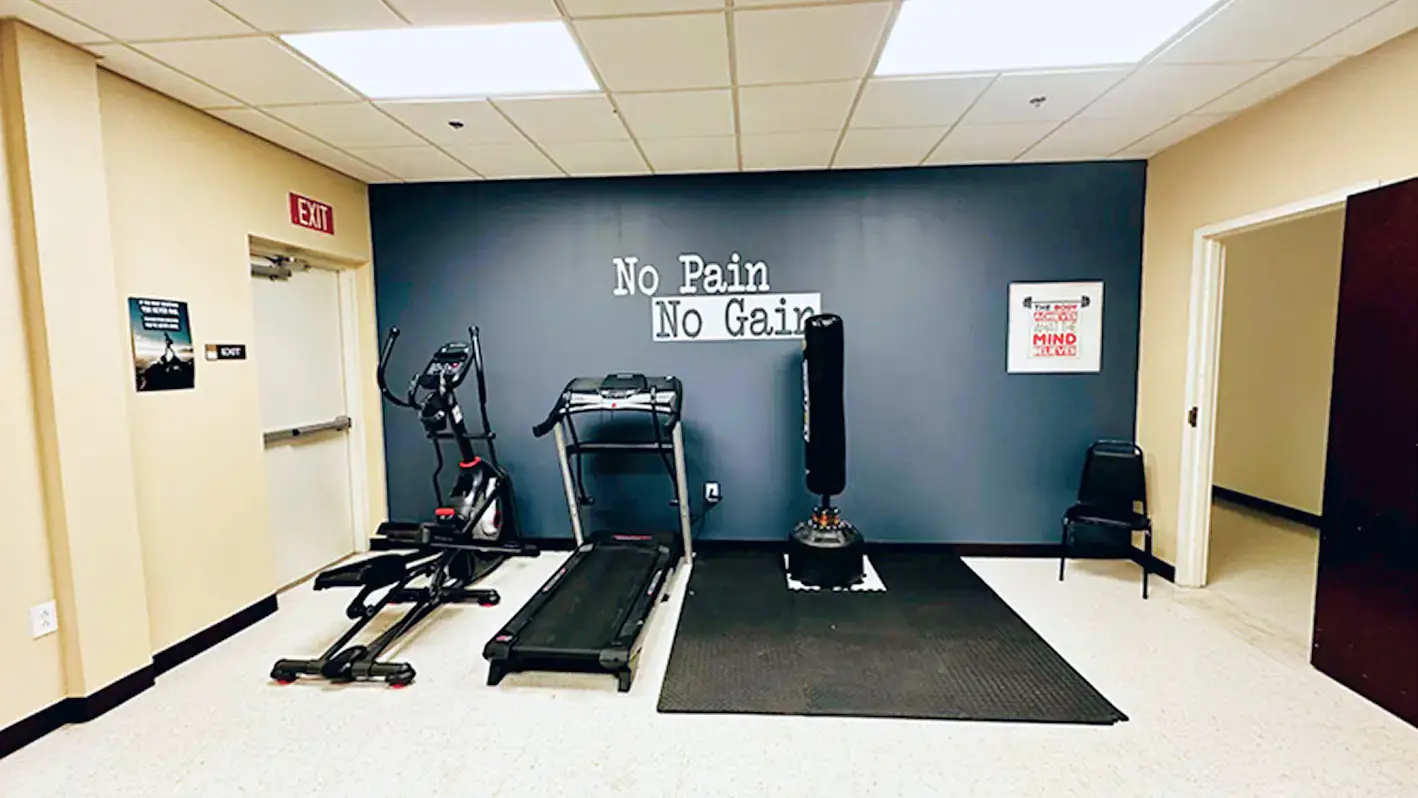
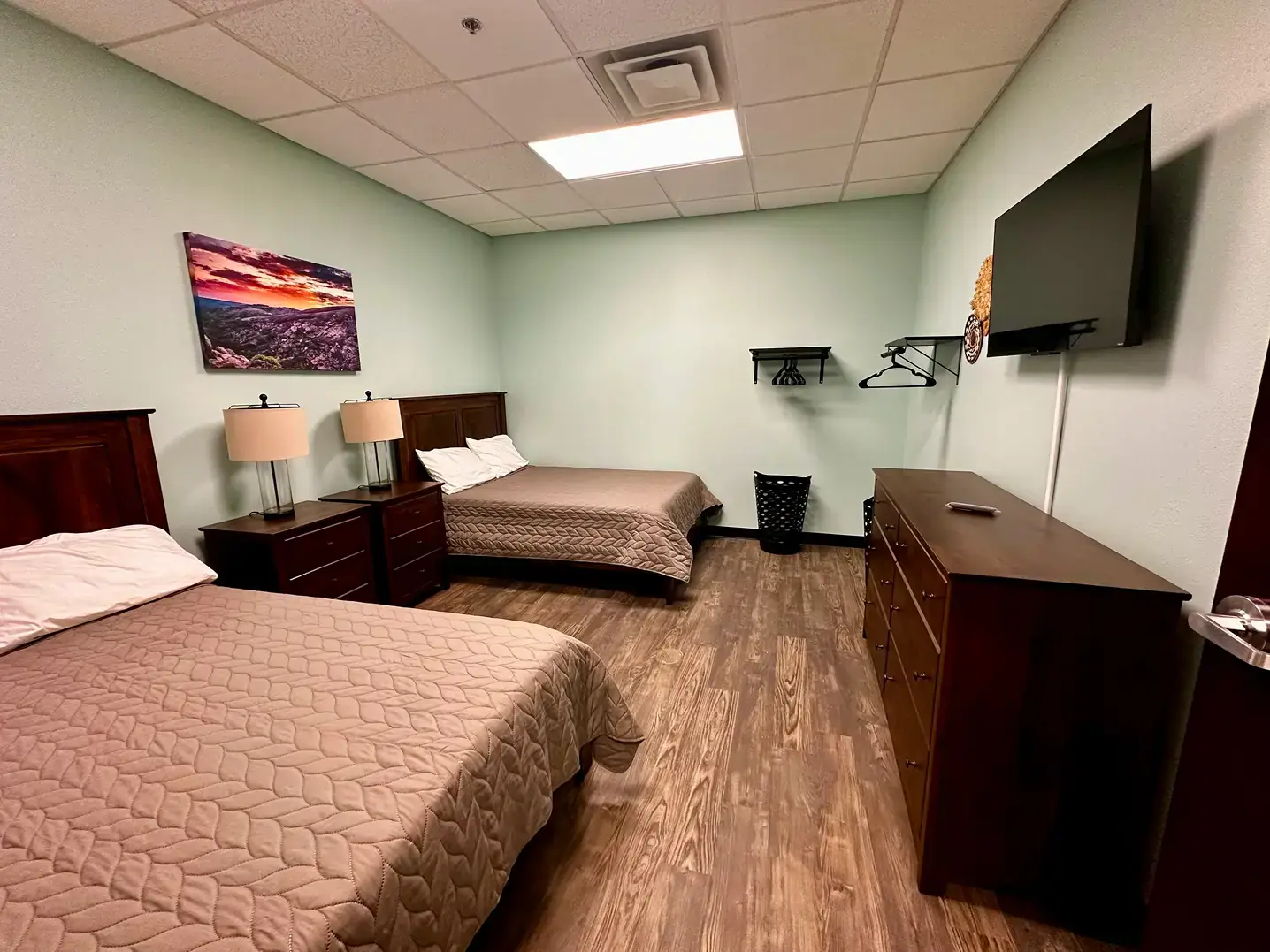
Our Texas Rehab Treatment Center
Take a look inside our rehab treatment center in San Marcos, Texas. Our spaces are modern and comfortable, with amenities designed to support you throughout your recovery journey.



FAQs About Anger Management Treatment in San Marcos, TX
How does an anger management program work?
It starts with awareness. You learn your triggers, the warning signs your body gives off, and the patterns that keep leading to blowups. From there, most programs use CBT skills to build up emotional regulation, communication, and problem-solving.
And because anger rarely travels alone, good programs also dig into whatever sits underneath it, whether that’s stress, trauma, anxiety, depression, or substance use.
How do I know if I need anger management therapy?
Ask yourself a few honest questions. Is anger costing you at home, at work, or with your kids? Do you feel ashamed after arguments? On edge most days? Are you drinking or using something to come down? If you nodded at any of those, anger management therapy could genuinely help.
One more thing: if your anger is tipping into intimidation or aggression, don’t sit on it. Get support quickly.
How long are anger management programs in Texas?
Honestly? It depends. Your needs, your goals, and whether mental health or substance use concerns are in the mix all shape the answer. A clinical assessment will point you toward the right level of care. What we won’t do is promise a neat timeline that may not fit you.
Can anger management help if my anger is tied to anxiety, depression, or trauma?
Yes, and this situation is more common than you might think. Anger often works as a surface emotion, standing guard over fear, shame, or overwhelm underneath. When that’s the case, counseling works best when it includes integrated mental health treatment and trauma-informed care, which is exactly how we approach it.
Do anger management classes in San Marcos provide a certificate?
Some programs offer documentation of participation or completion, though it depends on the format. Needing it for court, probation, or work? Check the exact requirements before you enroll, so the paperwork you get matches what they’re asking for.
Can my family be involved in anger management treatment?
Yes, and honestly, it usually helps. Anger tends to shake trust and safety at home, so treatment can include family therapy, communication coaching, and support with setting boundaries.
Is medication part of anger management treatment?
Not usually as the starting point. Anger management runs on therapy. But when anger connects to something co-occurring, like depression, anxiety, PTSD, or a substance use disorder, medication may come into the picture as part of a bigger plan, always alongside therapy and monitoring.