
Home \ Therapy Programs
Real Therapy For Real Life, Without Shame Or Pressure
We understand recovery, we can help.




Addiction rarely begins because someone “doesn’t care.” Addiction often grows through stress, trauma, isolation, or pain that stops feeling manageable. Therapy is where you learn what your substance use has been trying to solve, and what to do instead when life hits hard again.
Texas Helps offers addiction therapy programs in San Marcos, TX that are compassionate, structured, and clinically grounded. Care is individualized, and every step is built around safety, privacy, and respectful support.
For Confidential Support. Verify Your Insurance Privately

Addiction therapy programs are structured counseling services that help you understand triggers, reduce cravings, build coping skills, and strengthen relapse prevention. Therapy also supports healing in relationships, emotional regulation, and mental health symptoms that often sit underneath substance use.
NIDA explains that behavioral therapies like CBT can help people gain control over emotions and thoughts that lead to drug use and strengthen resilience against triggers.
SAMHSA also recognizes motivational interviewing as a clinical approach that helps people resolve ambivalence and strengthen motivation for change.


Therapy can be a fit if you are experiencing any of these concerns.
If withdrawal risk is high or use is medically complex, structured levels of care may be safer than therapy alone. CDC describes the importance of matching people to appropriate treatment settings using evidence-based guidance.
Trust grows when care is clear, structured, and clinically responsible. Texas Helps emphasizes licensed clinicians, individualized planning, and evidence-based approaches that support long-term behavior change without making unrealistic promises.
CBT helps you identify trigger thoughts, restructure patterns that fuel relapse, and practice skills for cravings and stress.
MI helps you work through ambivalence and build internal motivation without judgment or pressure. SAMHSA provides clinical guidance on MI for substance use disorder treatment.
Group therapy reduces isolation and helps you practice skills with support. SAMHSA’s TIP resources address group therapy as a structured modality in substance use treatment.
Relapse prevention focuses on triggers, coping tools, and planning for high-risk situations before they happen.
Get A Private Level-Of-Care Recommendation.
Trauma and addiction often overlap, but trauma-informed care is not about forcing painful memories. Trauma-informed care is about safety, choice, collaboration, and building stabilization skills first. SAMHSA provides best-practice guidance for trauma-informed care in behavioral health services.
EMDR can be used when clinically appropriate to help process trauma in a structured, therapist-guided way. Therapy should move at a pace that respects your stability and readiness.


Dual diagnosis means substance use and mental health symptoms occur together. Anxiety, depression, PTSD, and mood instability can increase relapse risk if they remain untreated. Dual diagnosis therapy helps align one plan across both needs, so you are not trying to “fix addiction” while panic, trauma symptoms, or depression remain untreated.
Therapy programs work best when the intensity matches real needs.
Outpatient care supports people who can live at home and attend scheduled sessions while maintaining work or school responsibilities.
IOP offers more weekly structure and support than standard outpatient. Local IOP providers in the San Marcos area emphasize group therapy, individual counseling, and flexible scheduling.
If you are not sure what fits, a confidential assessment can help clarify options without pressure
Verify Coverage & Explore Options:











The first week should feel clear, not confusing.
You will speak with someone who can answer questions about therapy, insurance, and next steps.
A clinical team reviews substance use history, mental health symptoms, safety risks, and goals.
Our clinical team reviews your substance use, health history, and treatment needs to recommend the right level of care.
Your plan is adjusted based on response, stability, and next-step needs.
Families often carry fear, frustration, and exhaustion. Family therapy can support communication, boundaries, and healing without blame. Family involvement can also reduce confusion about what helps and what unintentionally reinforces relapse patterns.


Texas Helps is accredited by The Joint Commission and licensed by the state governing body, which supports quality standards and patient safety. Texas Helps focuses on individualized, evidence-based therapy, trauma-informed care, and respectful support that protects your dignity.

Insurance questions are normal, and money fears should not block clarity. Insurance verification helps you understand benefits and next steps based on your individual plan. Coverage varies by policy, and verification helps reduce uncertainty.



I had a truly life‑changing experience at this treatment center. The staff is compassionate, knowledgeable, and genuinely committed to helping each person succeed. From the moment I walked in, I felt supported and understood. The programs are well‑structured, the environment is calming, and the level of care is exceptional. I’m incredibly grateful for the tools and confidence I gained here. Highly recommend to anyone seeking real, meaningful help.
Texas Helps alcohol treatment worked on me. I truly appreciate their staff. They ask questions and actually listen to your responses. I have been to other places where they just write prescriptions and send you on your way. Texas Helps is not like that at all. They really care about all of their visitors. They are always professional, as well as polite. I highly recommend them.
I demonstrate a strong commitment to the values and mission of Texas Helps by consistently providing compassionate, client-centered care. Other staff members approach clients with empathy, patience, and respect, even in high-acuity or challenging situations, which contributed to a therapeutic environment that promotes safety, dignity, and engagement in treatment. I am able to provide holistic care through active collaboration with psychiatry and nursing staff members.
I had a truly life‑changing experience at this treatment center. The staff is compassionate, knowledgeable, and genuinely committed to helping each person succeed. From the moment I walked in, I felt supported and understood. The programs are well‑structured, the environment is calming, and the level of care is exceptional. I’m incredibly grateful for the tools and confidence I gained here. Highly recommend to anyone seeking real, meaningful help.
Texas Helps alcohol treatment worked on me. I truly appreciate their staff. They ask questions and actually listen to your responses. I have been to other places where they just write prescriptions and send you on your way. Texas Helps is not like that at all. They really care about all of their visitors. They are always professional, as well as polite. I highly recommend them.
I demonstrate a strong commitment to the values and mission of Texas Helps by consistently providing compassionate, client-centered care. Other staff members approach clients with empathy, patience, and respect, even in high-acuity or challenging situations, which contributed to a therapeutic environment that promotes safety, dignity, and engagement in treatment. I am able to provide holistic care through active collaboration with psychiatry and nursing staff members.
Evoke wellness saved my life! Today I have 509 days sober and am living my best life. I thought I was too far gone. NO ONE IS TOO FAR GONE! They meet you where you are and love you through it. I owe them everything! My husband and I are now ministry leaders at our local celebrate recovery and would love to come share our testimony of encouragement, strength, and hope to the staff, patients, anyone who will listen!
You do not have to have the perfect words to start. You only need a willingness to talk.
Call for a confidential conversation.
Share what is happening and what you are worried about. Ask what level of care may be appropriate. Verify insurance if you want to move forward.

Addiction therapy programs guide you through understanding your relationship with substances. You learn about triggers, cravings, and develop skills to use each day in recovery. Treatment often involves individual therapy, group sessions, relapse prevention, and support for any mental health symptoms.
Typical therapies used for addiction care include cognitive-behavioral therapy, dialectical behavior therapy, motivational therapy, group therapy, trauma-informed care, and relapse prevention.
Both CBT and DBT can be helpful, in different ways. CBT helps you reframe thoughts and change behaviors associated with substance use. DBT can help improve your relationship with emotions, conflict, and distress tolerance.
Trauma therapy may be beneficial if your past experiences contribute to substance use, sleep issues, feelings of anxiety, or relationships. Your care should initially focus on safety, coping skills, and stabilization.
If your withdrawal risks are low and your home setting is conducive to healing, outpatient therapy could be an option. Intensive outpatient programs (IOP) can provide more structure for you if you need time to work, attend school, or care for family members.
Dual diagnosis therapy addresses both substance use and mental health symptoms. These can include anxiety, depression, trauma symptoms, anger issues, or bipolar disorder.
Verifying your insurance allows you to know benefits, coverage, and potential costs before starting treatment. Have your insurance card, date of birth, and contact details ready. Texas Helps can review your plan and explain the next step.
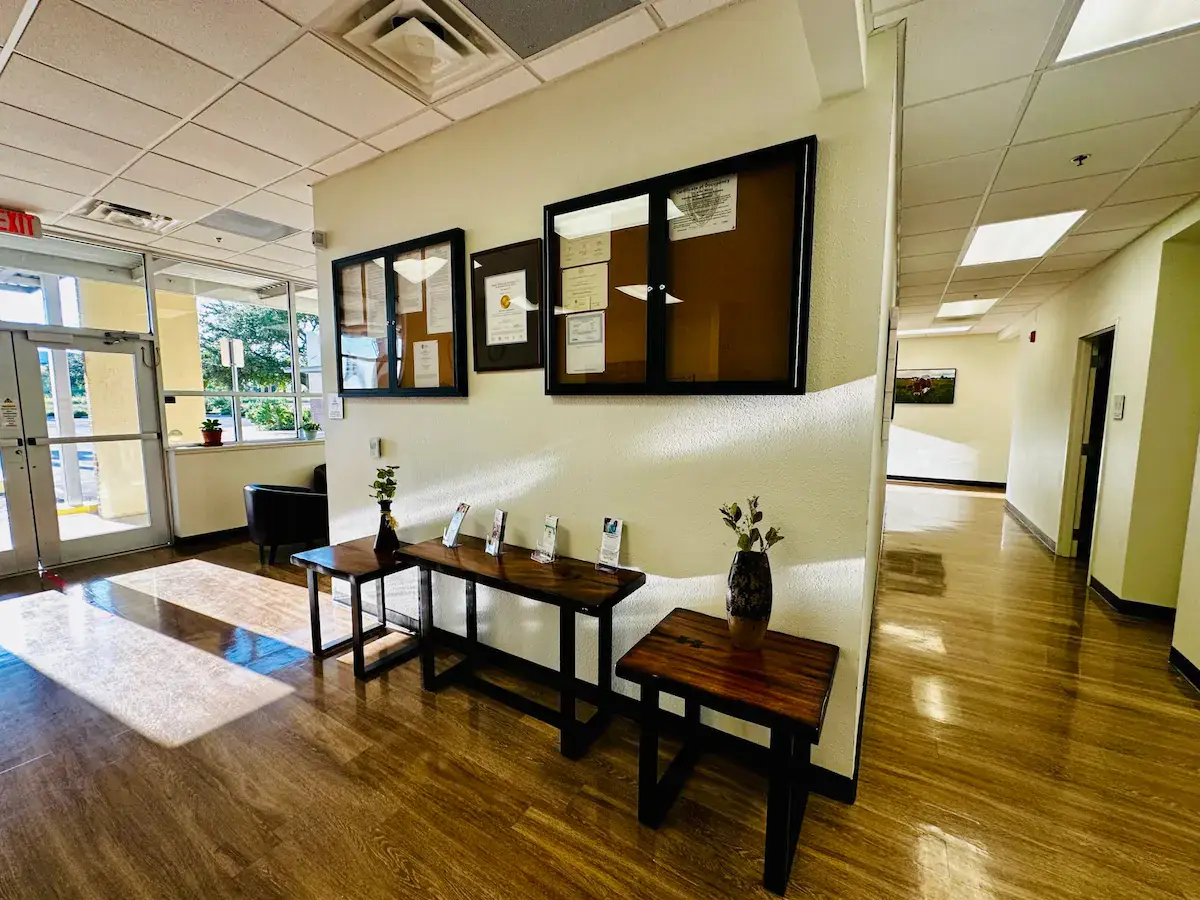
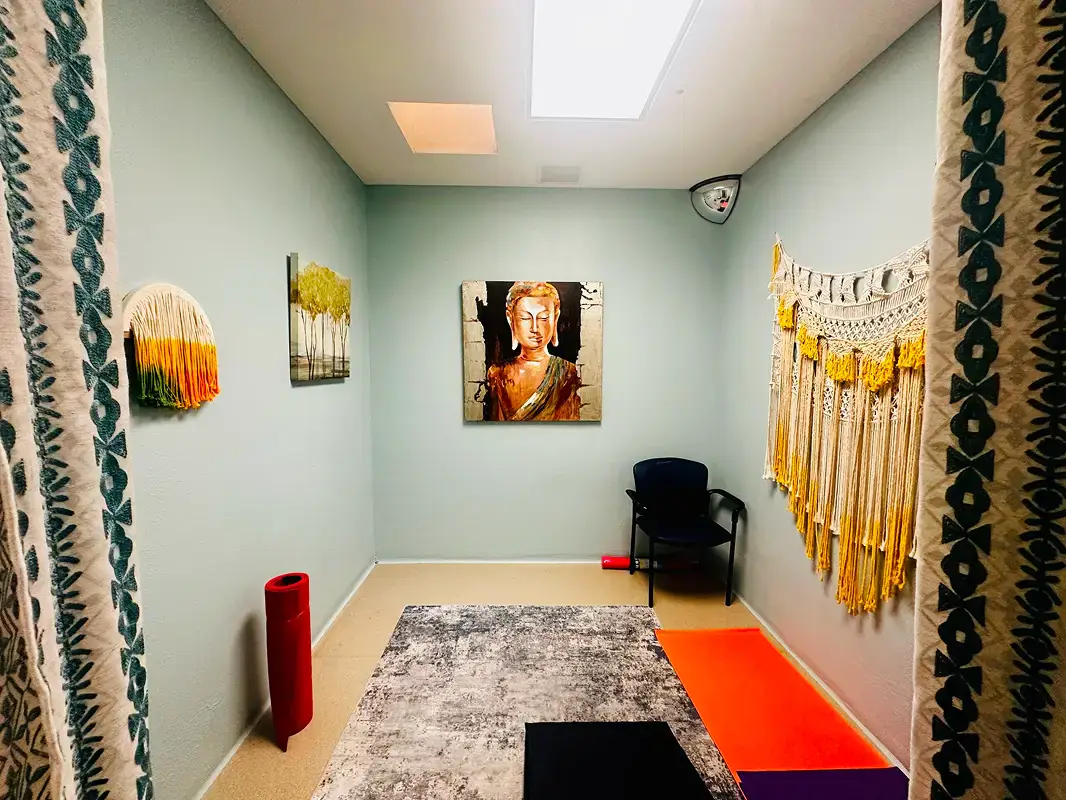
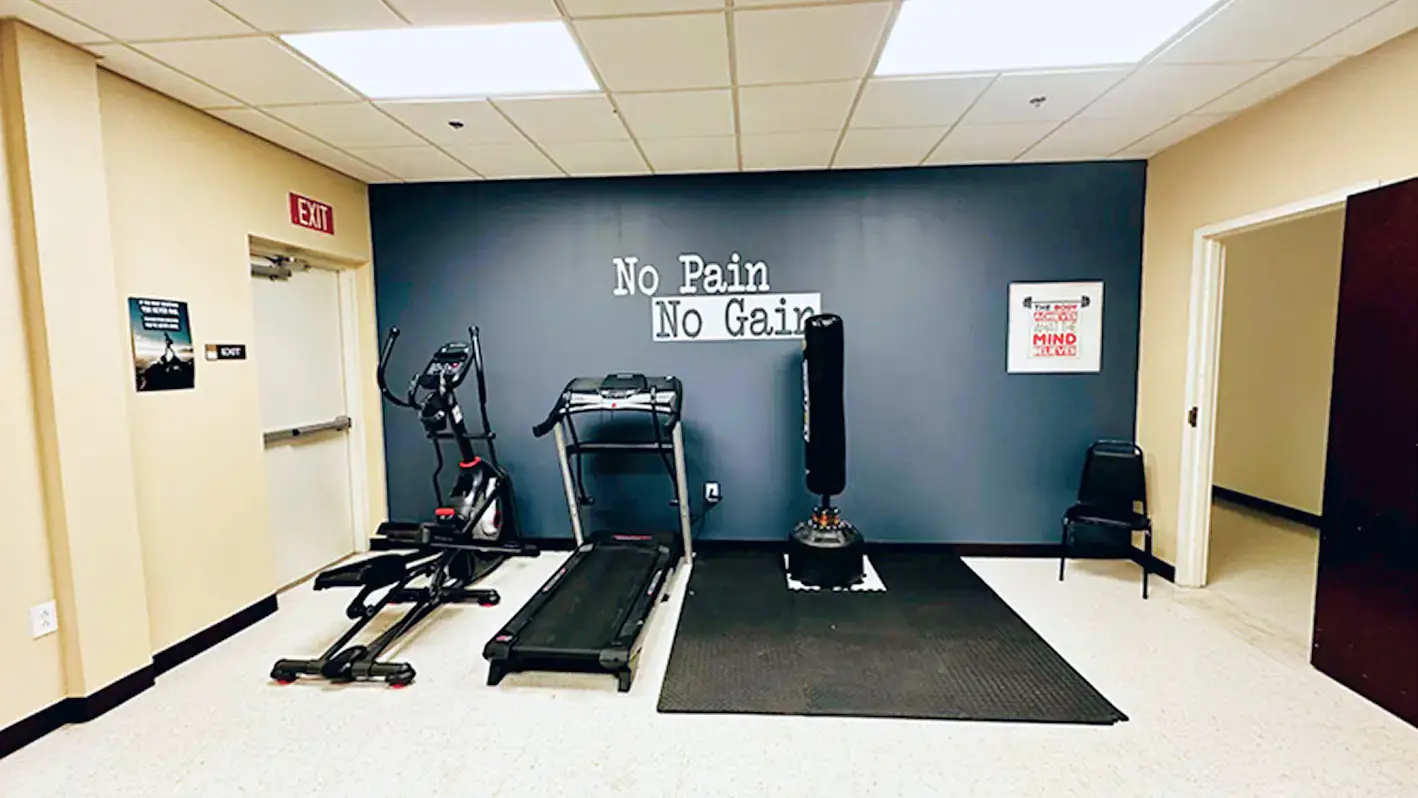
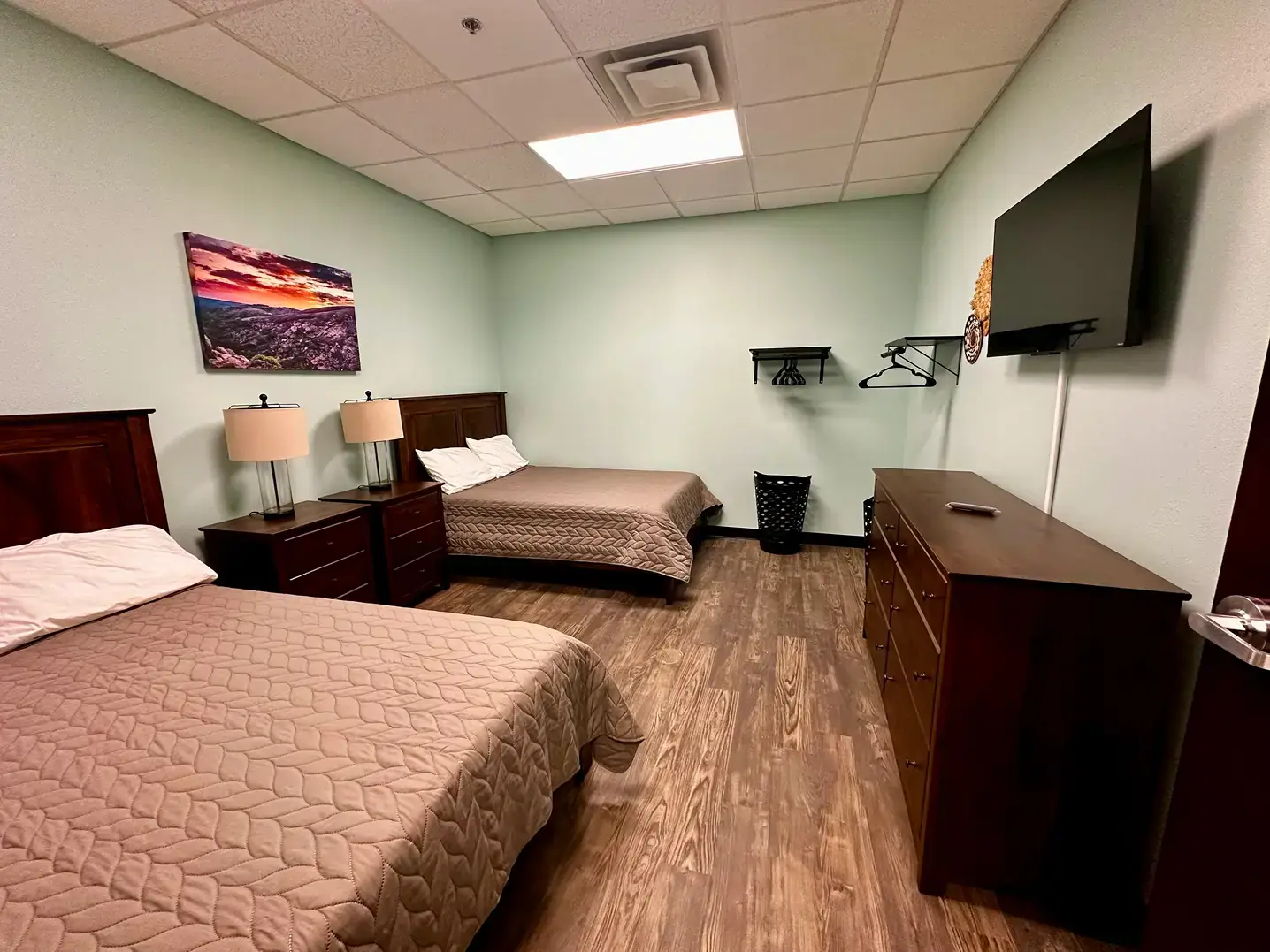
Take a look inside our rehab treatment center in San Marcos, Texas. Our spaces are modern and relaxing, with amenities designed to support you throughout your recovery journey.

Office Address
Visit our office for in-person support and services.