
Home \ Programs Hub \ Residential Treatment
Texas Helps offers people a place to stay and get treatment for drug and alcohol addiction in San Marcos, TX. We help recover from addiction with therapy, daily support, and 24/7 care.



Residential treatment gives people a safe place to focus on recovery. Participants live at the treatment center while getting therapy, support and care every day.
Many people begin with medical detox before they go to residential treatment. Texas Helps serves adults across Central Texas, including Austin, San Antonio, Kyle, New Braunfels, Seguin, and the surrounding communities.
Residential treatment helps individuals build good, healthy habits and focus on recovery from substance misuse in a safe setting.
Participants live in a calm structured environment that supports their rehab and recovery.
Every person receives a treatment plan just for them, based on what they need and want to achieve.
Our team helps treat people with addiction and mental health problems like anxiety, depression, and trauma.
Individuals can move from a detox program to residential care, all at the same location.
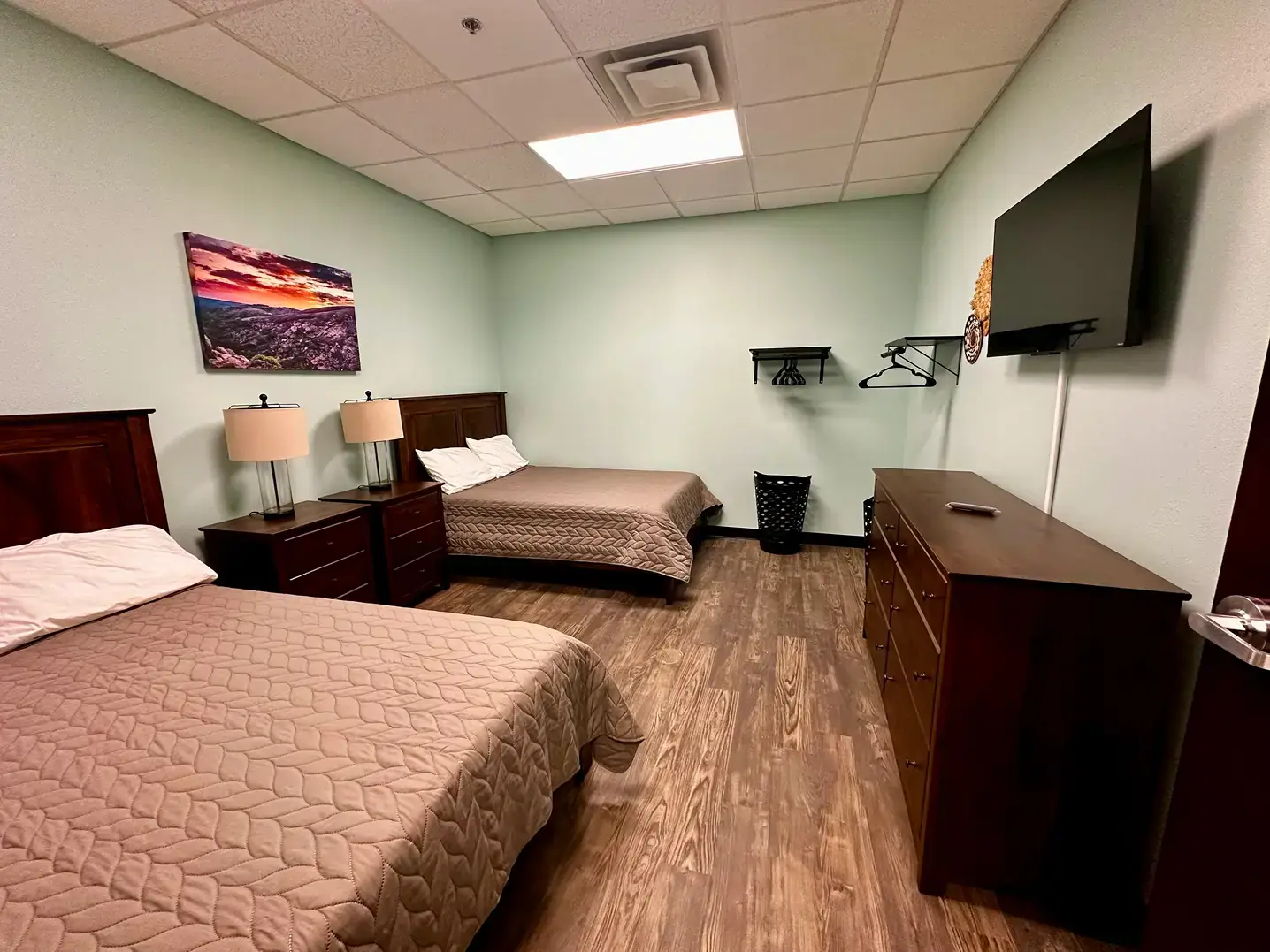
Our rehab center in San Marcos is a comfortable place for people to rest, recover, and focus on healing.
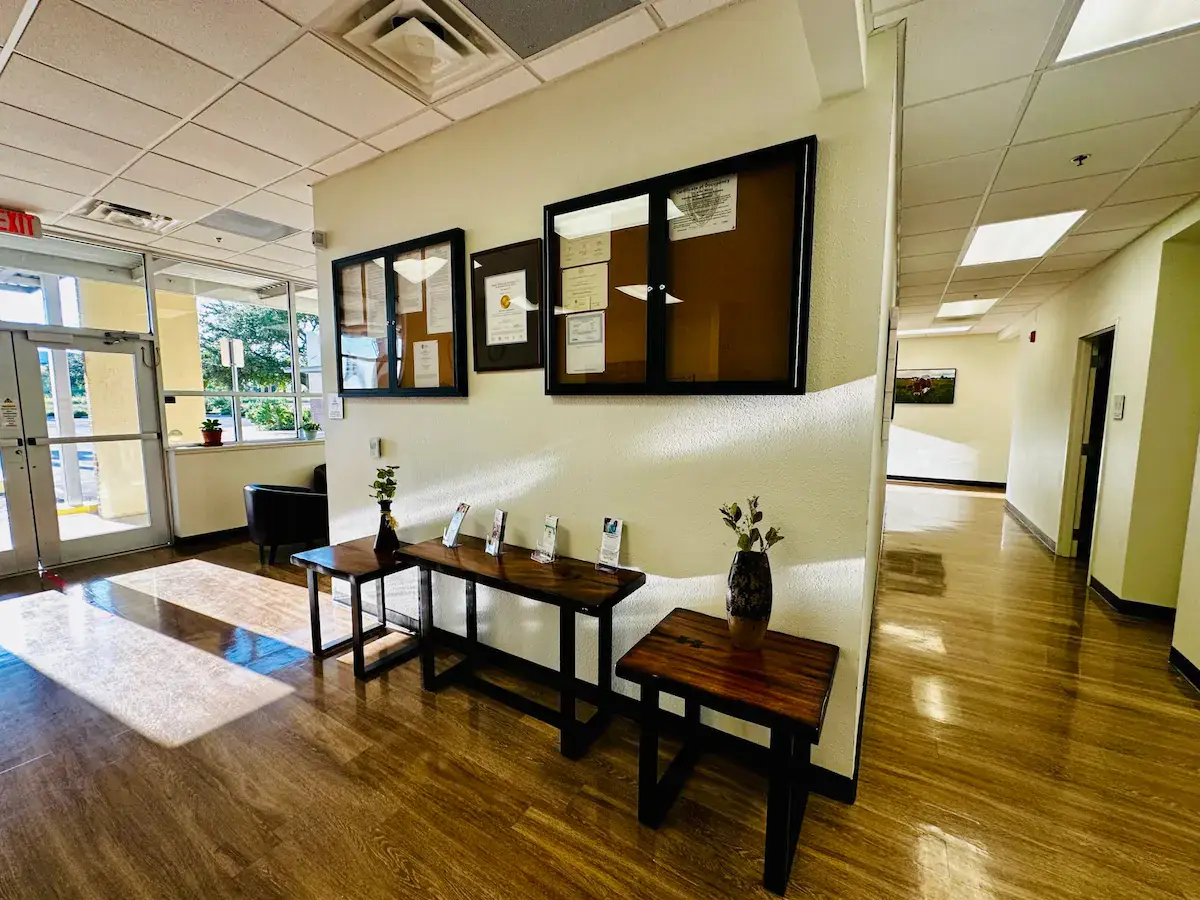
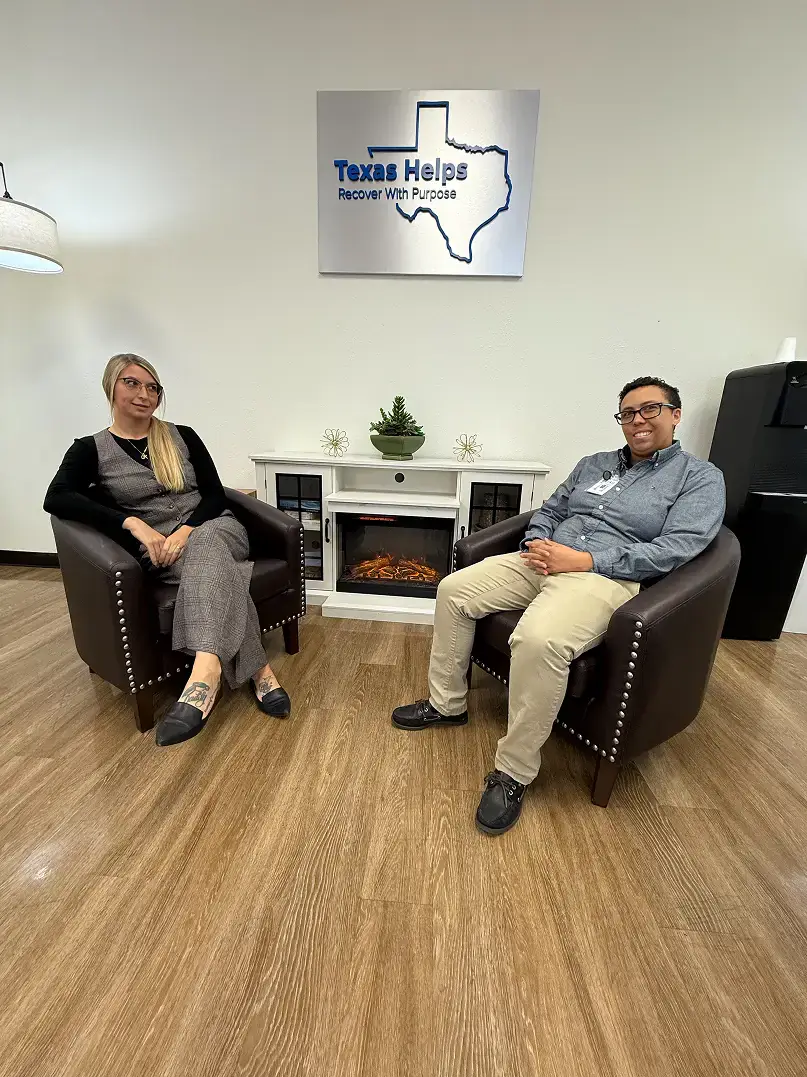
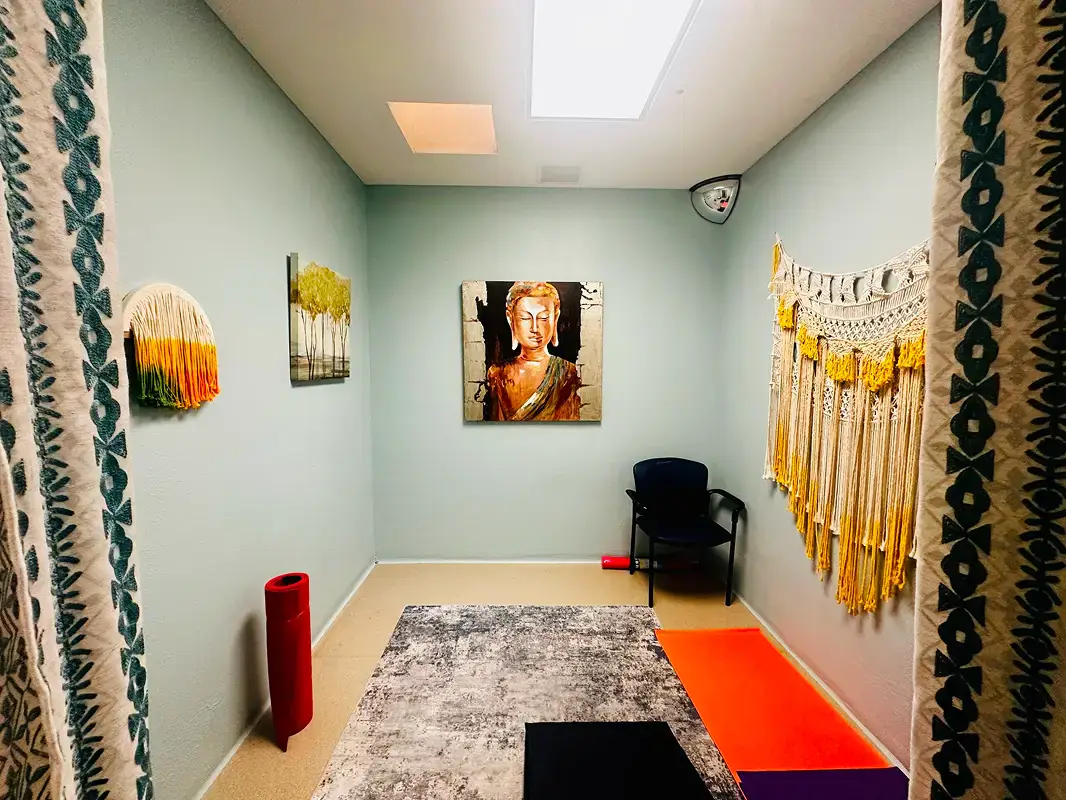
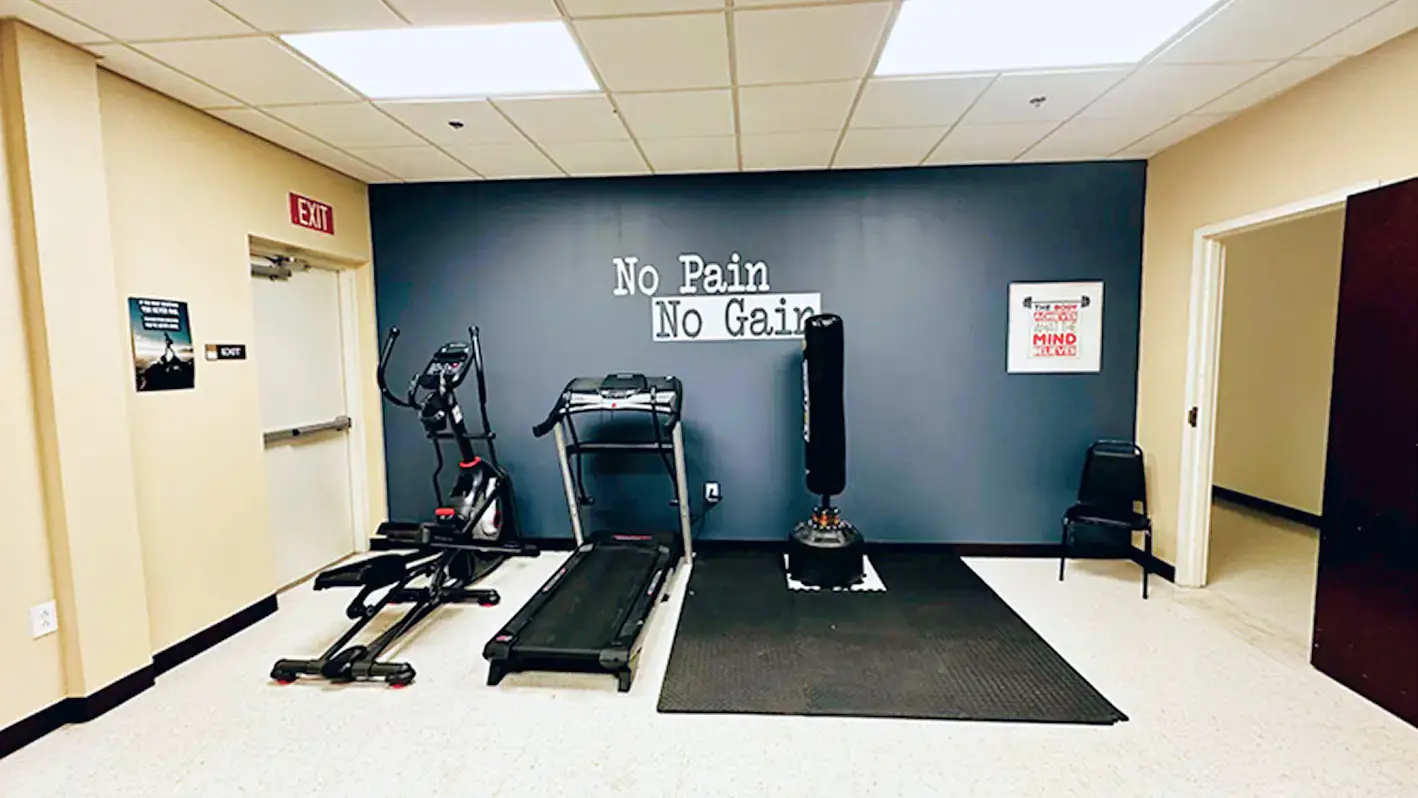
Take a look inside our rehab treatment center in San Marcos, Texas. Our spaces are modern and relaxing, with amenities designed to support you throughout your recovery journey.
Texas Helps works with many major insurance providers. Some insurance plans may cover part or all of the treatment costs. Our admissions team can help check your benefits and explain your options.










Texas Helps is a trusted facility offering addiction treatment in a supportive setting near Austin and San Antonio.

Our Google Reviews share stories from alumni and their families who found help at Texas Helps. Their experiences reflect the compassionate care and support our team provides every day.


I had a truly life‑changing experience at this treatment center. The staff is compassionate, knowledgeable, and genuinely committed to helping each person succeed. From the moment I walked in, I felt supported and understood. The programs are well‑structured, the environment is calming, and the level of care is exceptional. I’m incredibly grateful for the tools and confidence I gained here. Highly recommend to anyone seeking real, meaningful help.
Texas Helps alcohol treatment worked on me. I truly appreciate their staff. They ask questions and actually listen to your responses. I have been to other places where they just write prescriptions and send you on your way. Texas Helps is not like that at all. They really care about all of their visitors. They are always professional, as well as polite. I highly recommend them.
I demonstrate a strong commitment to the values and mission of Texas Helps by consistently providing compassionate, client-centered care. Other staff members approach clients with empathy, patience, and respect, even in high-acuity or challenging situations, which contributed to a therapeutic environment that promotes safety, dignity, and engagement in treatment. I am able to provide holistic care through active collaboration with psychiatry and nursing staff members.
I had a truly life‑changing experience at this treatment center. The staff is compassionate, knowledgeable, and genuinely committed to helping each person succeed. From the moment I walked in, I felt supported and understood. The programs are well‑structured, the environment is calming, and the level of care is exceptional. I’m incredibly grateful for the tools and confidence I gained here. Highly recommend to anyone seeking real, meaningful help.
Texas Helps alcohol treatment worked on me. I truly appreciate their staff. They ask questions and actually listen to your responses. I have been to other places where they just write prescriptions and send you on your way. Texas Helps is not like that at all. They really care about all of their visitors. They are always professional, as well as polite. I highly recommend them.
I demonstrate a strong commitment to the values and mission of Texas Helps by consistently providing compassionate, client-centered care. Other staff members approach clients with empathy, patience, and respect, even in high-acuity or challenging situations, which contributed to a therapeutic environment that promotes safety, dignity, and engagement in treatment. I am able to provide holistic care through active collaboration with psychiatry and nursing staff members.
Evoke wellness saved my life! Today I have 509 days sober and am living my best life. I thought I was too far gone. NO ONE IS TOO FAR GONE! They meet you where you are and love you through it. I owe them everything! My husband and I are now ministry leaders at our local celebrate recovery and would love to come share our testimony of encouragement, strength, and hope to the staff, patients, anyone who will listen!

Medical detox is often the first step in addiction treatment. It helps people manage withdrawal symptoms safely before residential care.
We may use medication-assisted treatment to help reduce cravings and support long-term recovery for some people.
Participants can attend 12-Step programs offering perspective and focusing on peer support and personal growth.

Starting treatment is simple. Our team will guide you through each step, from insurance verification to admission.
Residential treatment is a program where people live in a rehab center while they receive therapy, support, and daily care.
The terms are often used to mean the same thing. Both provide live-in addiction treatment and 24/7 support
Many residential treatment programs usually last somewhere between 30 and 90 days. Treatment length depends on what each person needs.
Many insurance plans may help cover treatment costs. Our team can verify your benefits, confidentially.
Yes. Texas Helps helps individuals who are dealing with addiction and mental health conditions at the same time, called a dual diagnosis.
Treatment may include CBT, DBT, trauma therapy, group therapy, and relapse prevention support.
Many people begin with detox before entering residential treatment, especially if withdrawal symptoms need medical supervision.
Family members and loved ones may take part in family therapy sessions and recovery education when appropriate.
People receive an aftercare plan that may include outpatient care, therapy, sober living, or support groups.
You can call our admissions team or complete the online insurance form to get started.