
Home \ Substance Abuse Treatment \ Polysubstance Abuse Treatment Program
Get Confidential, Clinically Grounded Help When Alcohol Or Multiple Drugs Are Involved.
We understand recovery, we can help.




When more than one substance is involved, the risks and emotions can escalate quickly.
Our San Marcos program focuses on safety, clinical clarity, and compassionate care without judgment.
You can speak with a licensed admissions professional who understands polysubstance use and will help you identify the right next step.
Speak With An Admissions Specialist 24/7. Verify Your Insurance In Minutes.


Polysubstance abuse means using two or more substances in a way that creates harm, instability, or loss of control.
Some people mix substances intentionally to intensify effects, while others combine them unintentionally by adding alcohol, pills, or “something to come down” from another drug.
When multiple substances are involved, risks often rise quickly because interactions can change breathing, heart rate, judgment, and withdrawal patterns.
Polysubstance abuse refers to the ongoing use of more than one substance, including alcohol, prescription medications, and illicit drugs.
Polysubstance patterns can look different for every person, including alternating substances on different days, mixing them in the same night, or using one drug to manage the after-effects of another.
A comprehensive assessment is often the safest first step, because treatment planning depends on what is being used, how often, and whether mental health symptoms are present.

Speak With A San Marcos Admissions Specialist And Get A Clear Next Step In Minutes.




Mixing substances can be dangerous because effects can compound, mask warning signs, or create unpredictable reactions.
Overdose risk can rise when depressants are combined, because breathing can slow without the person realizing how impaired they are.
Withdrawal can also be more complicated when multiple substances are involved, which is why medical supervision matters during stabilization and detox planning.
The CDC describes substance use disorder as a treatable, chronic disease, and it emphasizes matching people to appropriate treatment options and levels of care.
Polysubstance use often involves combinations that feel “normal” to the person in the moment, even when the body is under real strain.
Common patterns can include alcohol with stimulants including cocaine, opioids with benzodiazepines, prescription medications mixed with cannabis, or multiple pills taken together.
If you are not sure what counts as polysubstance abuse, a confidential call can help you sort it out without judgment.


This program may be a fit if you are using more than one substance and you notice increasing consequences, health scares, or failed attempts to stop.
This program may also be a fit if a loved one is mixing substances, having blackouts, becoming unpredictable, or showing signs of withdrawal when they try to cut back.
This program is especially important when anxiety, depression, trauma, or sleep problems are tied into substance use, because untreated mental health symptoms can increase relapse risk.
Call Now To Discuss Same-Day Next Steps In San Marcos.










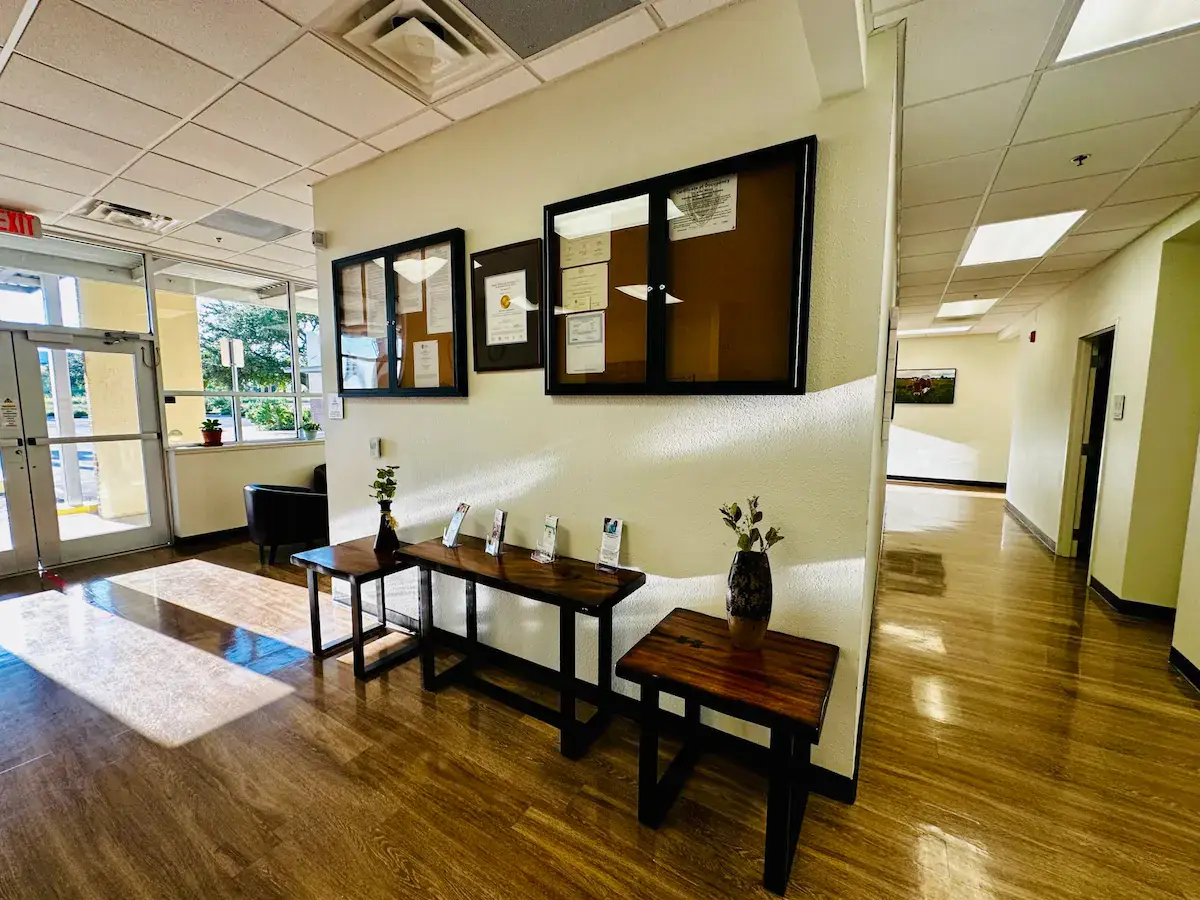
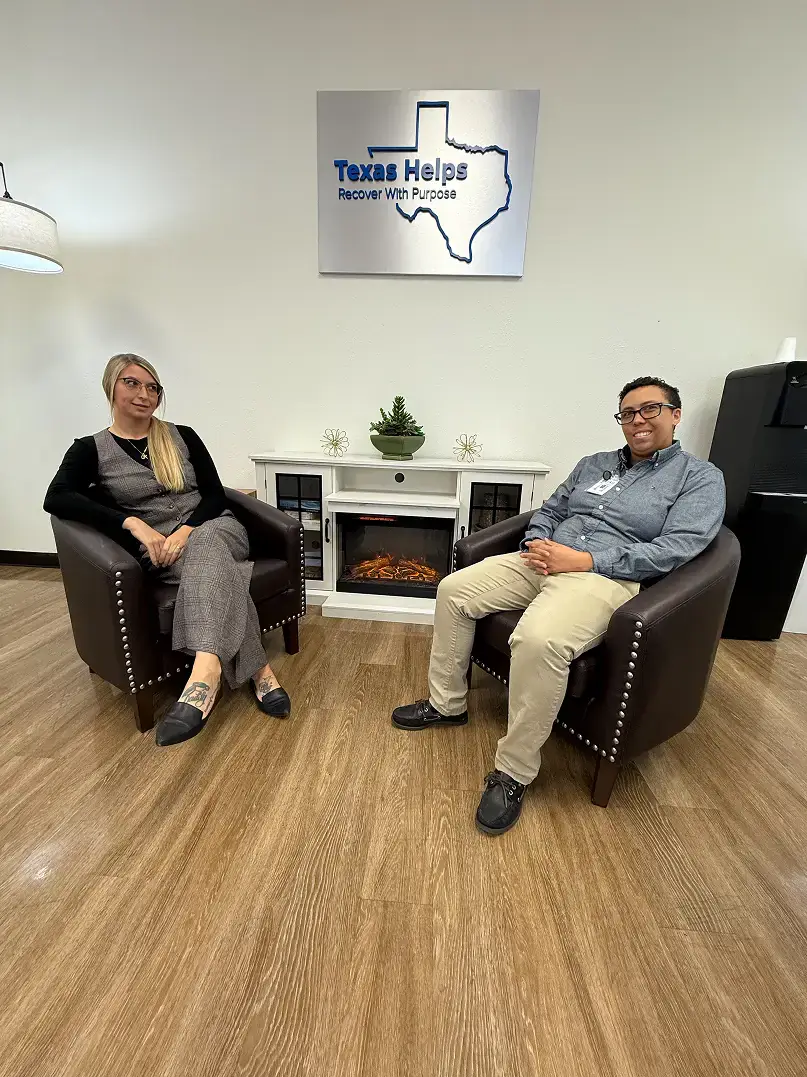
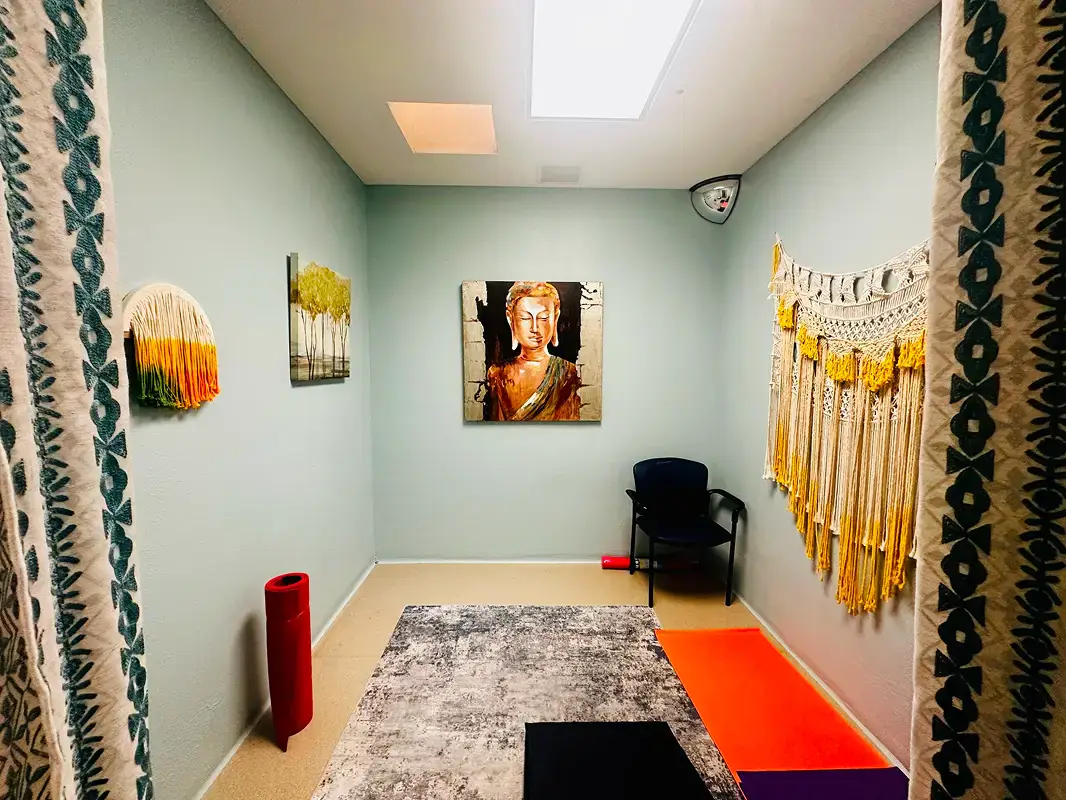
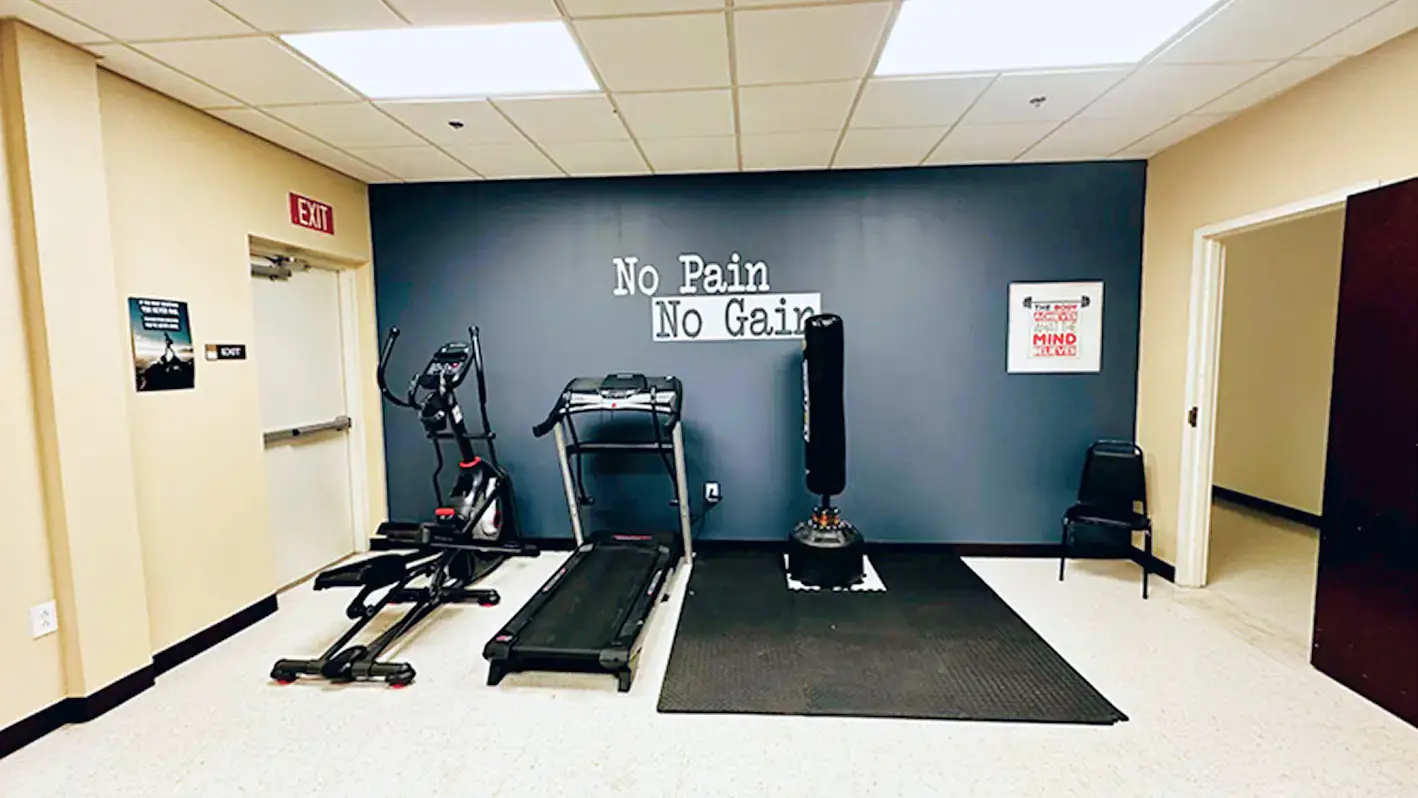
Take a look inside our rehab treatment center in San Marcos, Texas. Our spaces are modern and comfortable, with amenities designed to support you throughout your recovery journey.
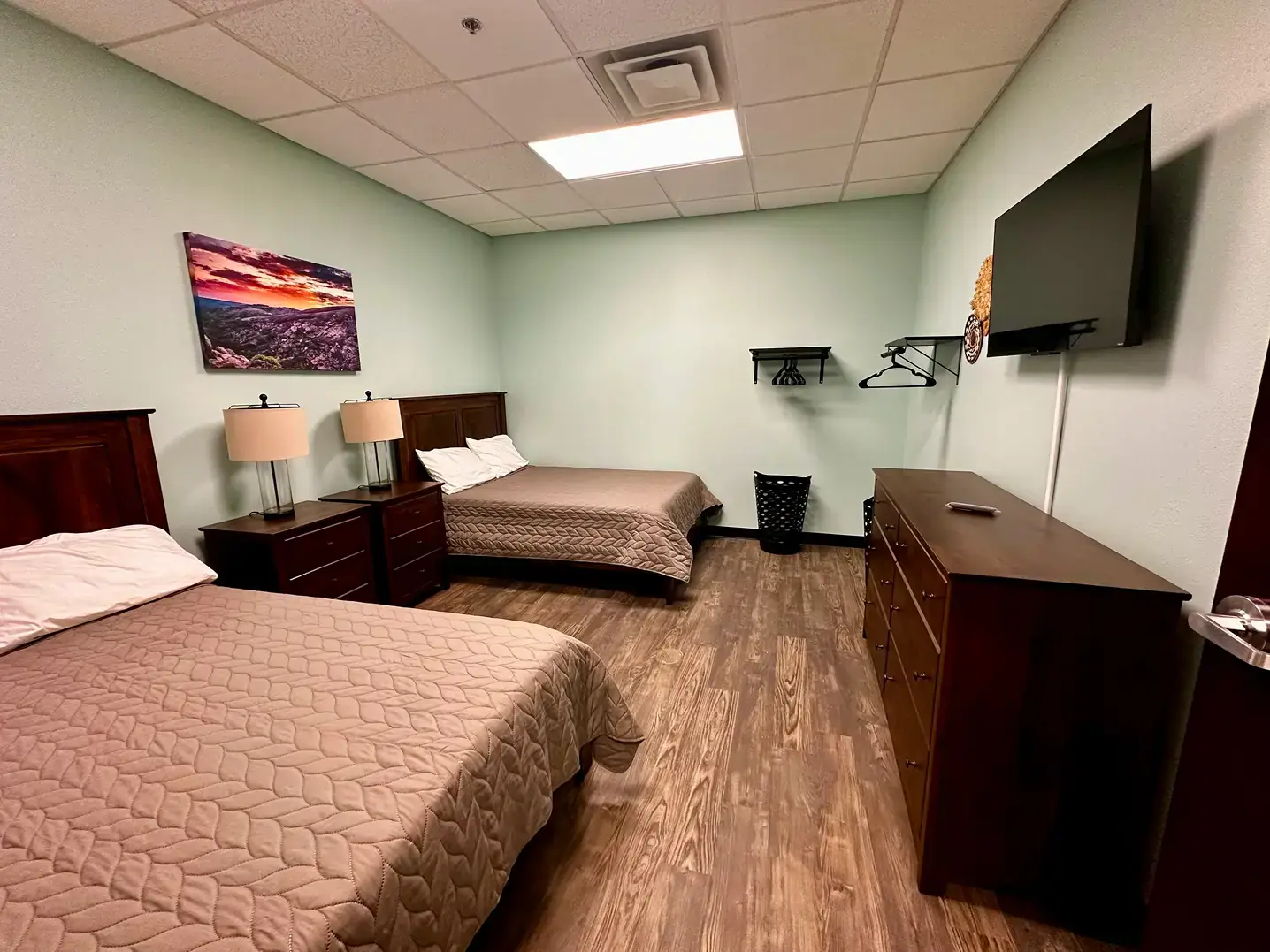
You deserve care that feels structured, respectful, and medically responsible from the first conversation.
Your first step typically starts with a private assessment that reviews substances used, physical health, mental health history, and immediate safety concerns.
Your care plan is then aligned to the right level of support, such as detox support, residential treatment, and step-down planning for aftercare.
SAMHSA highlights the importance of evidence-based practices, including counseling approaches like CBT, motivational approaches, and peer support, as well as coordinated medical care when needed.

Detox is often the first phase when withdrawal risk or medical instability is present.
Medical supervision can help monitor symptoms, reduce risks, and support comfort while the body stabilizes.
Because polysubstance withdrawal can vary based on the substances involved, your team will prioritize safety and individualized planning rather than one-size-fits-all protocols.

Polysubstance use is rarely just about willpower, because triggers, mental health symptoms, trauma, and brain reward pathways can all play a role.
Your plan may include therapies that are widely used in addiction treatment, including Cognitive Behavioral Therapy, Dialectical Behavior Therapy, Motivational Interviewing, trauma-informed care, and family therapy.
Group therapy and peer support can also help reduce isolation and strengthen accountability.
Medication-Assisted Treatment can be part of care for certain substance use disorders, especially opioid use disorder.
SAMHSA’s clinical guidance describes FDA-approved medications for opioid use disorder, including methadone, buprenorphine, and naltrexone, alongside counseling and recovery support.
Your clinical team can explain whether MAT is appropriate based on what you are using, your health history, and your goals.
Talk To A Compassionate Admissions Specialist In San Marcos Today.


Many people mix substances to cope with panic, depression, trauma memories, or chronic stress.
Dual diagnosis care focuses on treating addiction and mental health together, because untreated symptoms often pull people back toward use.
If you feel emotionally numb, constantly on edge, or unable to sleep without substances, you are not alone, and you are not beyond help.
Families often carry a heavy burden, especially when they do not know what is true, what is safe, or what to say.
A strong program supports families with education, communication tools, and boundaries that reduce chaos and increase stability at home.
If you are calling for a loved one, you can start by describing what you have seen, and our team can help you choose the safest next step.
Recovery support should not stop at discharge planning.
Aftercare can include outpatient therapy, recovery groups, relapse prevention planning, and coordination for housing, employment, or community support when needed.
A clear aftercare plan can reduce uncertainty and help you stay connected to support during stressful transitions.


Texas Helps is accredited by The Joint Commission, and the team emphasizes evidence-based care and coordinated support across treatment phases.
Texas Helps is located in San Marcos, with accessibility for many Central Texas communities and an environment built for structure, dignity, and privacy.
Texas Helps offers detox and residential-focused programming, which can be critical when polysubstance use creates medical or behavioral instability.


I had a truly life‑changing experience at this treatment center. The staff is compassionate, knowledgeable, and genuinely committed to helping each person succeed. From the moment I walked in, I felt supported and understood. The programs are well‑structured, the environment is calming, and the level of care is exceptional. I’m incredibly grateful for the tools and confidence I gained here. Highly recommend to anyone seeking real, meaningful help.
Texas Helps alcohol treatment worked on me. I truly appreciate their staff. They ask questions and actually listen to your responses. I have been to other places where they just write prescriptions and send you on your way. Texas Helps is not like that at all. They really care about all of their visitors. They are always professional, as well as polite. I highly recommend them.
I demonstrate a strong commitment to the values and mission of Texas Helps by consistently providing compassionate, client-centered care. Other staff members approach clients with empathy, patience, and respect, even in high-acuity or challenging situations, which contributed to a therapeutic environment that promotes safety, dignity, and engagement in treatment. I am able to provide holistic care through active collaboration with psychiatry and nursing staff members.
I had a truly life‑changing experience at this treatment center. The staff is compassionate, knowledgeable, and genuinely committed to helping each person succeed. From the moment I walked in, I felt supported and understood. The programs are well‑structured, the environment is calming, and the level of care is exceptional. I’m incredibly grateful for the tools and confidence I gained here. Highly recommend to anyone seeking real, meaningful help.
Texas Helps alcohol treatment worked on me. I truly appreciate their staff. They ask questions and actually listen to your responses. I have been to other places where they just write prescriptions and send you on your way. Texas Helps is not like that at all. They really care about all of their visitors. They are always professional, as well as polite. I highly recommend them.
I demonstrate a strong commitment to the values and mission of Texas Helps by consistently providing compassionate, client-centered care. Other staff members approach clients with empathy, patience, and respect, even in high-acuity or challenging situations, which contributed to a therapeutic environment that promotes safety, dignity, and engagement in treatment. I am able to provide holistic care through active collaboration with psychiatry and nursing staff members.
Evoke wellness saved my life! Today I have 509 days sober and am living my best life. I thought I was too far gone. NO ONE IS TOO FAR GONE! They meet you where you are and love you through it. I owe them everything! My husband and I are now ministry leaders at our local celebrate recovery and would love to come share our testimony of encouragement, strength, and hope to the staff, patients, anyone who will listen!
If you are worried about mixing substances, you do not have to prove how bad it is before you ask for help. A confidential call can help you understand options, verify insurance, and decide whether detox or residential care is the right next step in San Marcos.
When you are ready, Texas Helps is here to listen first and guide you forward with clinical care and compassion.
Verify Your Insurance And Get A Clear Treatment Recommendation. | Get Confidential Help In San Marcos Right Now.

A polysubstance abuse treatment program helps when you are using more than one substance, such as alcohol with drugs or multiple drugs at once. Care starts with an assessment to review withdrawal risks, safety needs, mental health symptoms, and the right level of support.
Signs may include blackouts, mood swings, poor sleep, risky choices, secrecy, money problems, or using one substance to offset another. Call 911 if someone has shallow breathing, severe confusion, seizures, or cannot be woken up.
Yes, but detox from multiple substances needs medical oversight. Different substances create different withdrawal risks. A clinical team reviews what you used, how often, and what symptoms need close monitoring during stabilization.
Polysubstance rehab usually includes assessment, therapy, relapse prevention, and aftercare planning. Care may include CBT, motivational therapy, group therapy, family support, and dual diagnosis care. The right level of care depends on safety, stability, and home support.
Yes. Dual diagnosis care helps when substance use overlaps with anxiety, depression, trauma symptoms, or other mental health needs. Treating both concerns together helps you understand triggers, manage stress, and lower relapse risk.
Medication-assisted treatment, or MAT, uses FDA-approved medications for certain substance use disorders, especially opioid use disorder. It does not fit every substance or every person. Your care team reviews your history and explains whether MAT belongs in your treatment plan.
Treatment length depends on the substances involved, withdrawal risk, mental health needs, and your support at home. A clinical assessment helps your team recommend the right starting point and plan the next step after stabilization.
Office Address
Visit our office for in-person support and services.
