
Home \ Substance Abuse Treatment \ Opioid Addiction Treatment Program
Opioid Treatment Program in San Marcos, TX
You don’t have to face this alone. Our opioid treatment program in San Marcos, TX brings together medical support, FDA-approved MAT, and therapy that actually listens.
- Joint Commission Accredited
- Confidential Admissions
- Evidence-Based Care



What Is Opioid Use Disorder and Why Is It So Hard to Stop?
Opioids don’t just dull pain. They change how your brain handles pain, reward, and relief altogether. Give it enough time, and the brain starts depending on opioids just to feel normal. That’s why the cravings hit so hard. That’s why withdrawal can flatten someone who genuinely, desperately wants to quit. It was never about willpower.
Opioid use disorder can involve prescription pain pills, fentanyl, heroin, or other opioids, and it doesn’t care who you are. It reaches into every background, every income bracket, every zip code. The signs tend to look similar though: needing more to get the same effect, losing control over use, feeling sick when you stop, and continuing anyway despite what it’s costing you.
An opioid treatment program offers a safer way through. Medical oversight. FDA-approved medication when it’s appropriate. And structured support that treats the physical dependence and the reasons behind the use, because both matter.
What to Expect in Our Opioid Addiction Treatment Program
One-size-fits-all doesn’t work here. Opioid recovery goes best with a complete, coordinated plan, so Texas Helps builds yours around your history, your safety needs, and your goals.
Confidential Clinical Assessment
Your opioid history, withdrawal risk, mental health, home situation. We look at all of it before recommending a level of care.
FDA-Approved Medication Support (MAT)
Therapy That Treats the Why, Not Just the Substance
Online Access to a Suboxone Doctor
When Suboxone fits clinically, coordinated online access cuts out travel and scheduling headaches while keeping therapy connected.
Recovery Testimonies
Our Google Reviews share stories from alumni and their families who found help at Texas Helps. Their experiences reflect the compassionate care and support our team provides every day.


I had a truly life‑changing experience at this treatment center. The staff is compassionate, knowledgeable, and genuinely committed to helping each person succeed. From the moment I walked in, I felt supported and understood. The programs are well‑structured, the environment is calming, and the level of care is exceptional. I’m incredibly grateful for the tools and confidence I gained here. Highly recommend to anyone seeking real, meaningful help.
Texas Helps alcohol treatment worked on me. I truly appreciate their staff. They ask questions and actually listen to your responses. I have been to other places where they just write prescriptions and send you on your way. Texas Helps is not like that at all. They really care about all of their visitors. They are always professional, as well as polite. I highly recommend them.
I demonstrate a strong commitment to the values and mission of Texas Helps by consistently providing compassionate, client-centered care. Other staff members approach clients with empathy, patience, and respect, even in high-acuity or challenging situations, which contributed to a therapeutic environment that promotes safety, dignity, and engagement in treatment. I am able to provide holistic care through active collaboration with psychiatry and nursing staff members.
I had a truly life‑changing experience at this treatment center. The staff is compassionate, knowledgeable, and genuinely committed to helping each person succeed. From the moment I walked in, I felt supported and understood. The programs are well‑structured, the environment is calming, and the level of care is exceptional. I’m incredibly grateful for the tools and confidence I gained here. Highly recommend to anyone seeking real, meaningful help.
Texas Helps alcohol treatment worked on me. I truly appreciate their staff. They ask questions and actually listen to your responses. I have been to other places where they just write prescriptions and send you on your way. Texas Helps is not like that at all. They really care about all of their visitors. They are always professional, as well as polite. I highly recommend them.
I demonstrate a strong commitment to the values and mission of Texas Helps by consistently providing compassionate, client-centered care. Other staff members approach clients with empathy, patience, and respect, even in high-acuity or challenging situations, which contributed to a therapeutic environment that promotes safety, dignity, and engagement in treatment. I am able to provide holistic care through active collaboration with psychiatry and nursing staff members.
Levels of Care for Opioid Addiction in Central Texas
Some people need daily structure. Others need flexibility. We guide placement based on your opioid history, withdrawal severity, mental health, and safety needs, not a standard track.

Opioid Detox
Medical detox takes the edge off withdrawal, the muscle aches, nausea, and cravings, while keeping you safe.
Outpatient Opioid Treatment
For people who need flexibility but still want counseling, medication management, and a real recovery plan.
Intensive Outpatient and Structured Day Programs
Higher relapse risk? Stepped-up outpatient care brings more frequent therapy and more accountability.
Residential and Higher Levels of Support
Dual Diagnosis Care
Aftercare and Relapse Prevention
Ongoing support, monitoring, and clear next steps, protecting your recovery long after structured treatment ends.
Most Insurances Accepted
Texas Helps works with many major insurance providers. Some insurance plans may cover part or all of the treatment costs. Our admissions team can help check your benefits and explain your options.










Check if your insurance will cover the cost of treatment
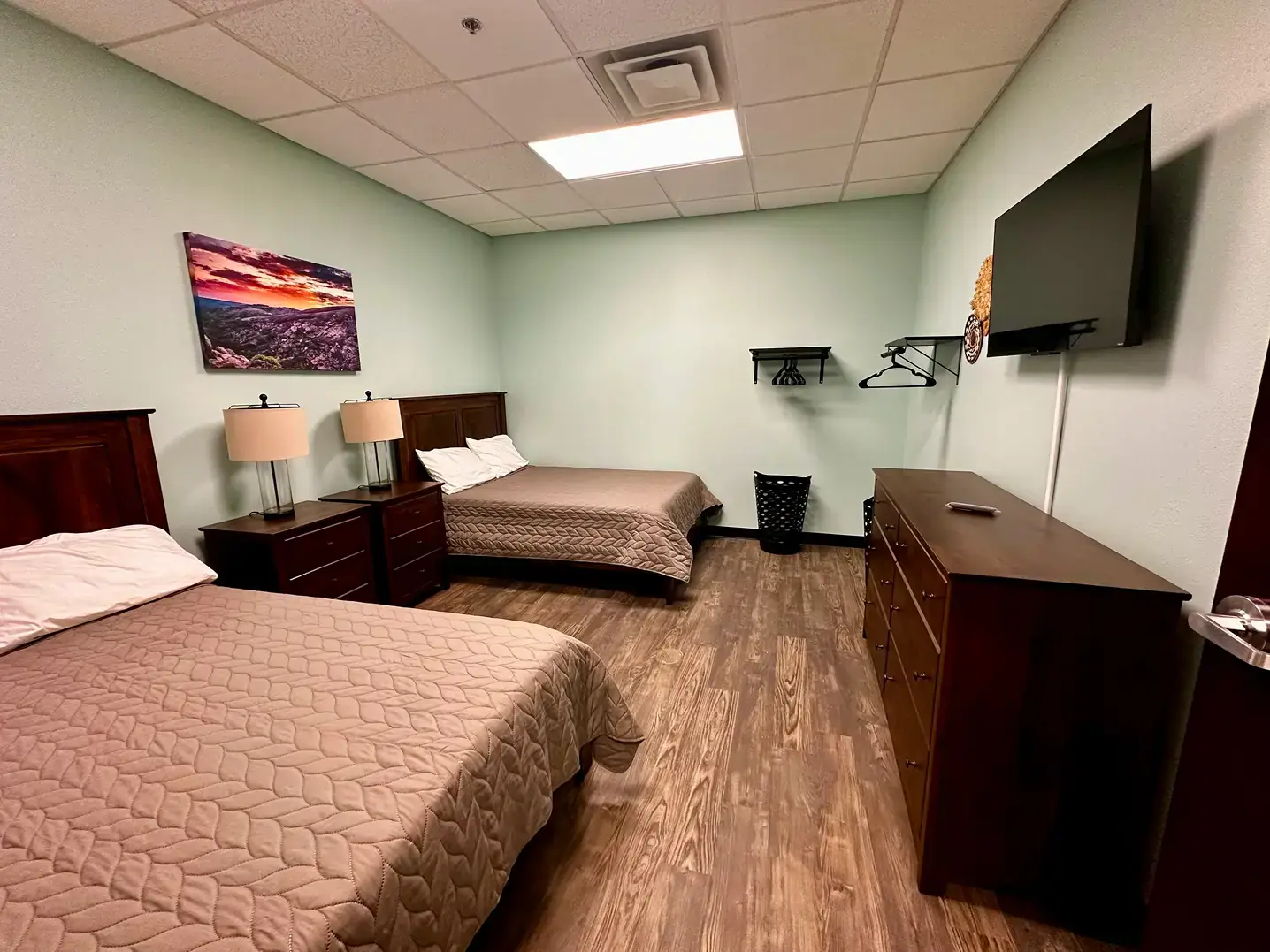
Our Texas Rehab Treatment Center
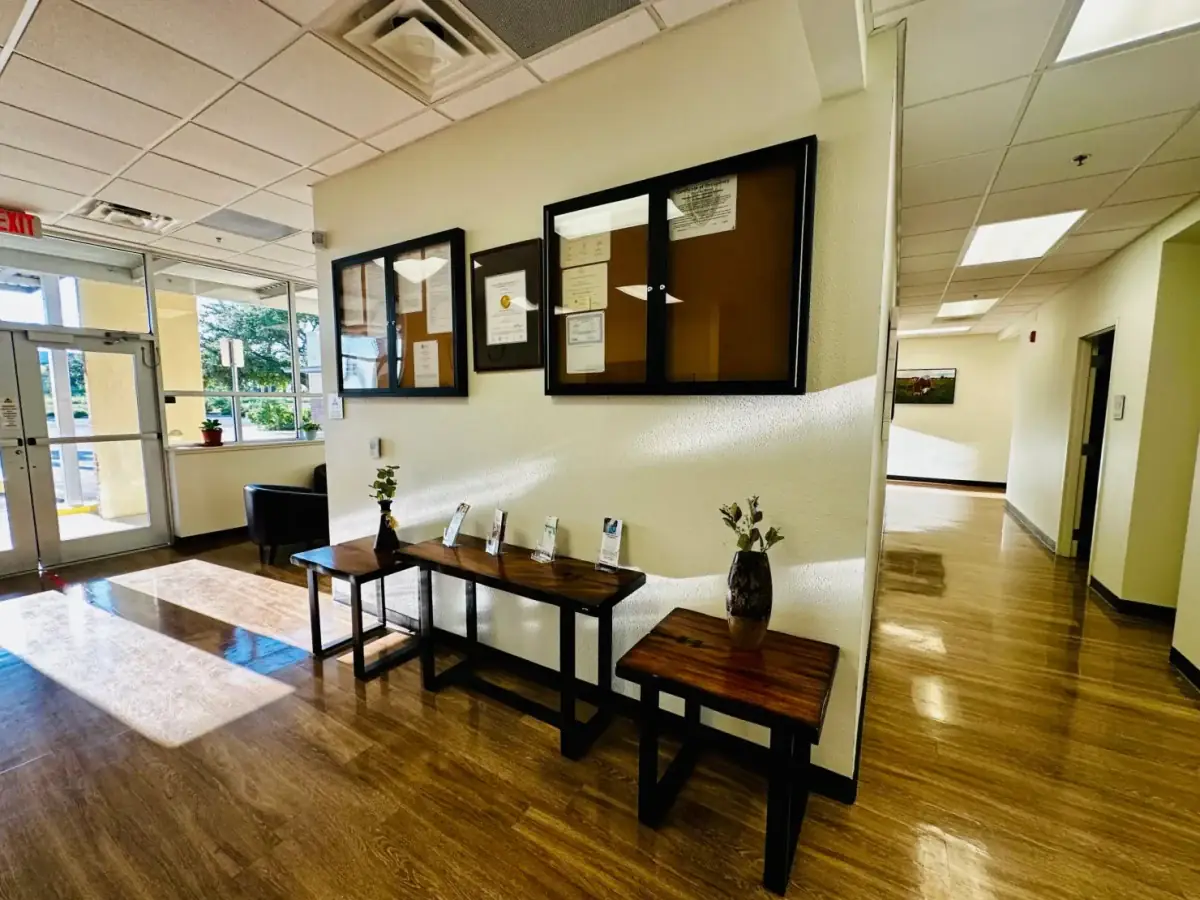
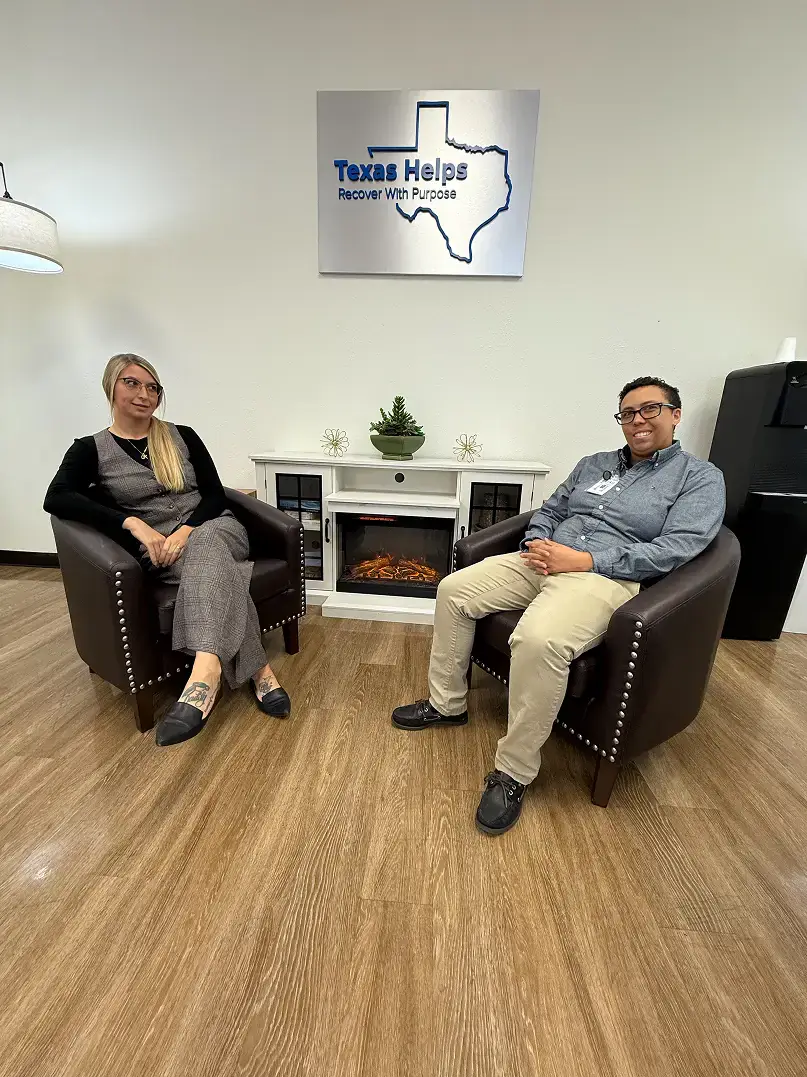
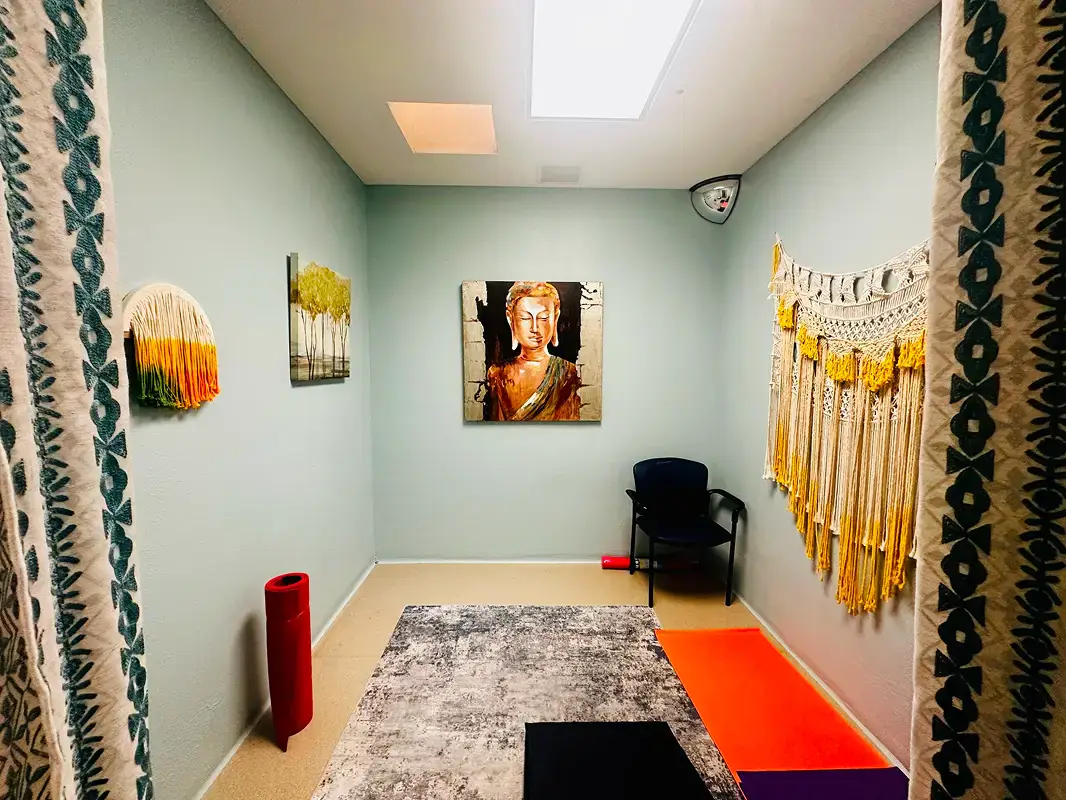
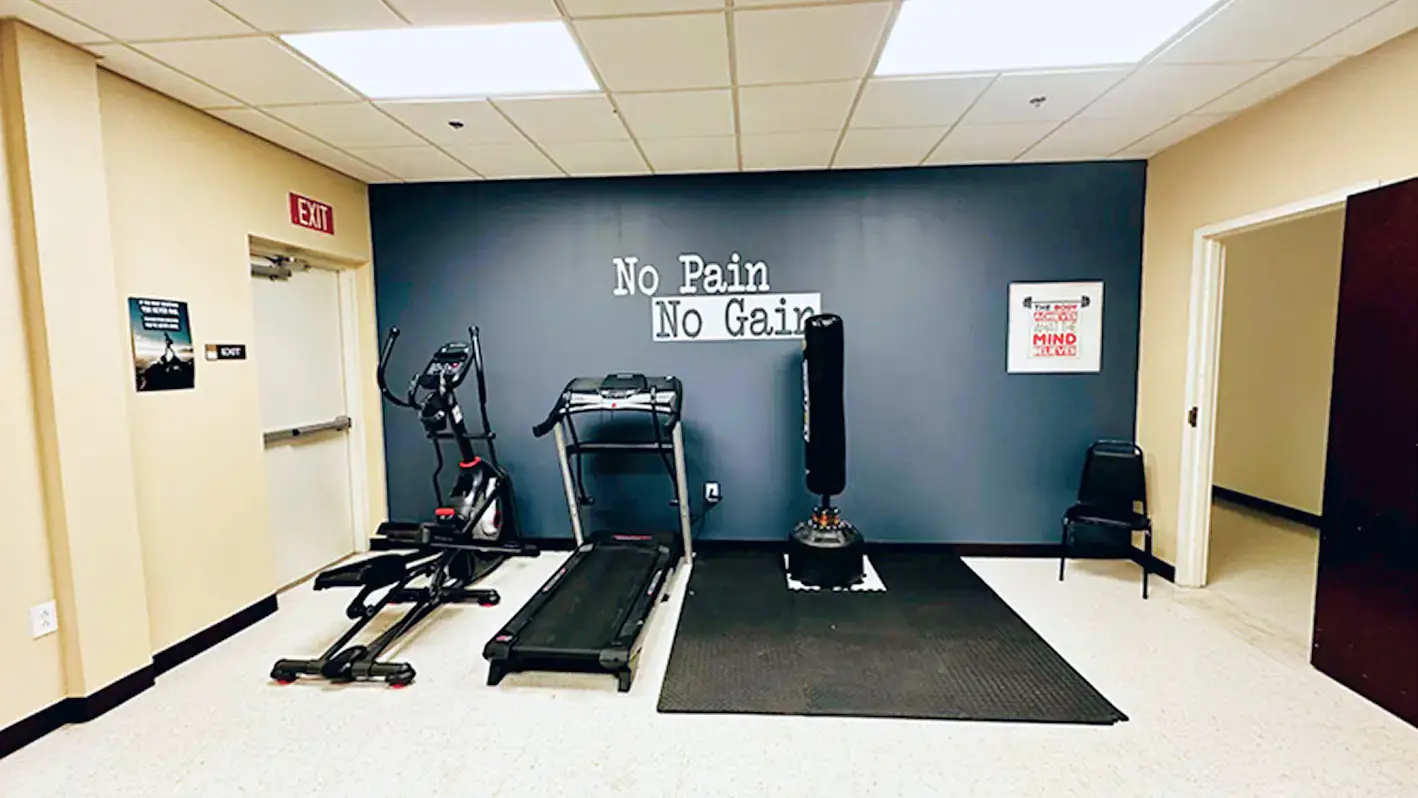
Take a look inside our rehab treatment center in San Marcos, Texas. Our spaces are modern and comfortable, with amenities designed to support you throughout your recovery journey.
Why Choose Texas Helps for Opioid Treatment
With opioids, safety isn’t optional, and trust has to be earned. So here’s what we build our care on: accreditation, proper licensing, and evidence-based best practices. Nothing less.
Joint Commission-Accredited and Licensed
Nationally recognized standards for safety and clinical quality in behavioral health. We meet them.
Medically Responsible MAT
CDC cautions that detox alone without OUD medications is not recommended, so we pair stabilization with appropriate medication and therapy.
Support for Families
We help families set boundaries, spot overdose risk, and encourage care without blowing up into conflict, even when a loved one isn’t ready.
Serving San Marcos and Central Texas
San Marcos, Austin, San Antonio, and the surrounding communities across Central Texas.

Take One Clear Next Step Toward Opioid Recovery
Opioid addiction can feel like it rewires your body and your choices at the same time. Add withdrawal, cravings, and the fear of relapse, and doing it alone starts to feel impossible. It doesn’t have to be. The opioid treatment program at Texas Helps in San Marcos combines medical support, FDA-approved MAT, and evidence-based therapy, so you’re not carrying this by yourself anymore.
Calling for yourself? For someone you love? Either way, our team is available 24/7 for confidential guidance, insurance verification, and honest next-step recommendations. One call. One clear next step. Make it today.
FAQs About Our Opioid Treatment Program in San Marcos, TX
How do I know if I need an opioid treatment program?
A few signs are hard to ignore. Use that’s become difficult to control. Feeling sick when you stop. Cravings that keep pulling you back even after real consequences. If any of that sounds familiar, it may be time for professional help.
A confidential assessment can clarify your withdrawal risk and point to the right level of care, with zero commitment attached to the call.
Do I need opioid detox before starting rehab?
Often, yes, when physical dependence is present. Medical support makes withdrawal safer and considerably less miserable. One important thing to know: CDC cautions that detox without OUD medications is not recommended, because it increases the risk of return to use and overdose. That’s why detox here connects directly to medication and ongoing care.
What is MAT, and is Suboxone FDA-approved?
Medication-assisted treatment pairs FDA-approved medications with counseling. The FDA-approved medications for opioid use disorder are buprenorphine, methadone, and naltrexone. And yes, Suboxone, a buprenorphine-based medication, is one of the most common options.
How long does opioid withdrawal last?
Honestly, it depends. The opioid involved, how long you’ve used, and your overall health all shape the timeline. Some symptoms show up within hours and peak over the first few days. Sleep problems, mood swings, and cravings can stick around longer. A medically supported plan makes all of it more manageable.
Can I start outpatient opioid treatment if I cannot leave work or family?
Possibly, yes. Outpatient opioid treatment can work when your medical risk is manageable and your home environment is stable enough to support recovery. A brief assessment is the fastest way to find out whether it’s the right fit for your situation.
What if I relapse after opioid treatment?
First: relapse is a signal to adjust the plan, not a reason for shame. It happens, and it’s survivable. A quality program helps you figure out what triggered it, strengthen your coping skills, and rebuild your aftercare plan. Medication can also be part of getting stable again, safely.
How can I help a loved one with opioid addiction?
Start with three things: safety, calm communication, and clear boundaries. Offer to sit with them while they make a confidential call. Learn about overdose risk and Narcan, because that knowledge saves lives. And here’s something many families don’t realize: you can call us yourself, even if they’re not ready yet. We’ll help you figure out next steps.