
Home \ Therapy Programs \ Dual Diagnosis
We understand recovery, we can help.



Texas Helps is accredited by The Joint Commission (TJC) at all of our locations. Each facility is also licensed by the region’s state governing body. We are proud to maintain these accreditations ensuring the provision of the highest standards required in behavioral health.



An accurate diagnosis is the foundation of effective dual diagnosis treatment. At Texas Helps, we begin with a comprehensive clinical assessment that evaluates both substance use patterns and mental health symptoms. Many individuals enter treatment unaware that an underlying mental health condition is influencing their addiction.
Our diagnostic process may include:
This thorough approach allows our clinical team to develop a treatment plan that addresses root causes, rather than just surface behaviors


Substance use disorders and mental health conditions often reinforce one another. Individuals may use drugs or alcohol to cope with emotional pain, trauma, anxiety, or mood instability. Over time, substance use can worsen mental health symptoms, creating a destructive cycle that is difficult to break without professional support.
Common co-occurring conditions treated in dual diagnosis programs include:
Treating only one condition often leads to relapse. Integrated dual diagnosis treatment addresses both conditions simultaneously, improving long-term recovery outcomes.

Texas Helps relies on evidence-based therapies that have proven effective for individuals with co-occurring disorders. Treatment is tailored to each person’s clinical needs and recovery goals.
Therapies may include:

Cognitive Behavioral Therapy (CBT): Helps identify and change harmful thought patterns and behaviors
Dialectical Behavior Therapy (DBT):Teaches emotional regulation, distress tolerance, and impulse control
Trauma-Informed Therapy: Supports individuals with past trauma or PTSD
Motivational Interviewing: Strengthens motivation and commitment to recovery
Group Therapy: Builds peer support and shared accountability
Individual Counseling: Provides personalized therapeutic guidance
These therapies help individuals develop healthier coping strategies, manage mental health symptoms, and reduce relapse risk.
For some individuals, psychiatric medication may be an important part of dual diagnosis treatment. Medication management is carefully monitored by qualified medical professionals and used only when clinically appropriate.
Medications may help:
Medications may help:
Medication is always combined with therapy and behavioral interventions to ensure a balanced and comprehensive approach to care.
Dual diagnosis aftercare may include:
This continuity of care helps individuals maintain emotional stability while navigating real-world challenges.

Dual diagnosis treatment requires coordination between mental health professionals, addiction specialists, and medical providers. Fragmented care can lead to misdiagnosis, ineffective treatment, and relapse.
At Texas Helps, integration means:
This approach improves treatment engagement, reduces relapse risk, and supports sustainable recovery.

Speak with a veteran-informed admissions specialist.

Texas Helps provides dual diagnosis treatment for individuals throughout San Marcos, Austin, and the surrounding Texas communities. Our precise location allows us to support individuals seeking high-quality care close to home, while offering a structured and therapeutic environment.
Whether you are seeking help for yourself or a loved one, our admissions team can guide you through our treatment options and next steps.
If you or a loved one is struggling with a dual diagnosis, remember that you are not alone, and help is available. At Texas helps at San Marcos, we are committed to helping you navigate your path to recovery. Contact us today at (888) 493-2510 and take the first step towards a healthier, happier future.

Dual diagnosis refers to the coexistence of a substance use disorder and a mental health condition that are treated together.
Yes. We provide integrated clinical care for addiction and mental health disorders simultaneously.
We use evidence-based therapies, such as CBT, DBT, trauma-informed care, group and individual counseling.
Many private insurance plans cover treatment. Call (888) 493-2510 to verify. Medicare and Medicaid are not accepted.
Contact our admissions team for a confidential assessment and treatment plan options.
Yes. Texas Helps provides a full range of therapies, and detox services. Below, you can see the complete list of available options:
Anger Management Program | Motivational Interviewing Program | Addiction Resources | Meth Addiction Treatment | EMDR Therapy Programs | Family Therapy Programs | Group Therapy Program | Holistic Therapy Program | Relapse Prevention Program | Trauma Therapy Program | Addiction Treatment | Women’s Rehab Program | Cocaine Addiction Treatment Program | Fentanyl Addiction Treatment Program | Opiate Addiction Treatment Program | Opioid Addiction Treatment Program | Polysubstance Abuse Treatment Program | Insurance and Financial | Benzo Addiction Rehab

Speak with a veteran-informed admissions specialist


I had a truly life‑changing experience at this treatment center. The staff is compassionate, knowledgeable, and genuinely committed to helping each person succeed. From the moment I walked in, I felt supported and understood. The programs are well‑structured, the environment is calming, and the level of care is exceptional. I’m incredibly grateful for the tools and confidence I gained here. Highly recommend to anyone seeking real, meaningful help.
Texas Helps alcohol treatment worked on me. I truly appreciate their staff. They ask questions and actually listen to your responses. I have been to other places where they just write prescriptions and send you on your way. Texas Helps is not like that at all. They really care about all of their visitors. They are always professional, as well as polite. I highly recommend them.
I demonstrate a strong commitment to the values and mission of Texas Helps by consistently providing compassionate, client-centered care. Other staff members approach clients with empathy, patience, and respect, even in high-acuity or challenging situations, which contributed to a therapeutic environment that promotes safety, dignity, and engagement in treatment. I am able to provide holistic care through active collaboration with psychiatry and nursing staff members.
I had a truly life‑changing experience at this treatment center. The staff is compassionate, knowledgeable, and genuinely committed to helping each person succeed. From the moment I walked in, I felt supported and understood. The programs are well‑structured, the environment is calming, and the level of care is exceptional. I’m incredibly grateful for the tools and confidence I gained here. Highly recommend to anyone seeking real, meaningful help.
Texas Helps alcohol treatment worked on me. I truly appreciate their staff. They ask questions and actually listen to your responses. I have been to other places where they just write prescriptions and send you on your way. Texas Helps is not like that at all. They really care about all of their visitors. They are always professional, as well as polite. I highly recommend them.
I demonstrate a strong commitment to the values and mission of Texas Helps by consistently providing compassionate, client-centered care. Other staff members approach clients with empathy, patience, and respect, even in high-acuity or challenging situations, which contributed to a therapeutic environment that promotes safety, dignity, and engagement in treatment. I am able to provide holistic care through active collaboration with psychiatry and nursing staff members.
Evoke wellness saved my life! Today I have 509 days sober and am living my best life. I thought I was too far gone. NO ONE IS TOO FAR GONE! They meet you where you are and love you through it. I owe them everything! My husband and I are now ministry leaders at our local celebrate recovery and would love to come share our testimony of encouragement, strength, and hope to the staff, patients, anyone who will listen!
Texas Helps works with many major insurance providers. Some insurance plans may cover part or all of the treatment costs. Our admissions team can help check your benefits and explain your options.










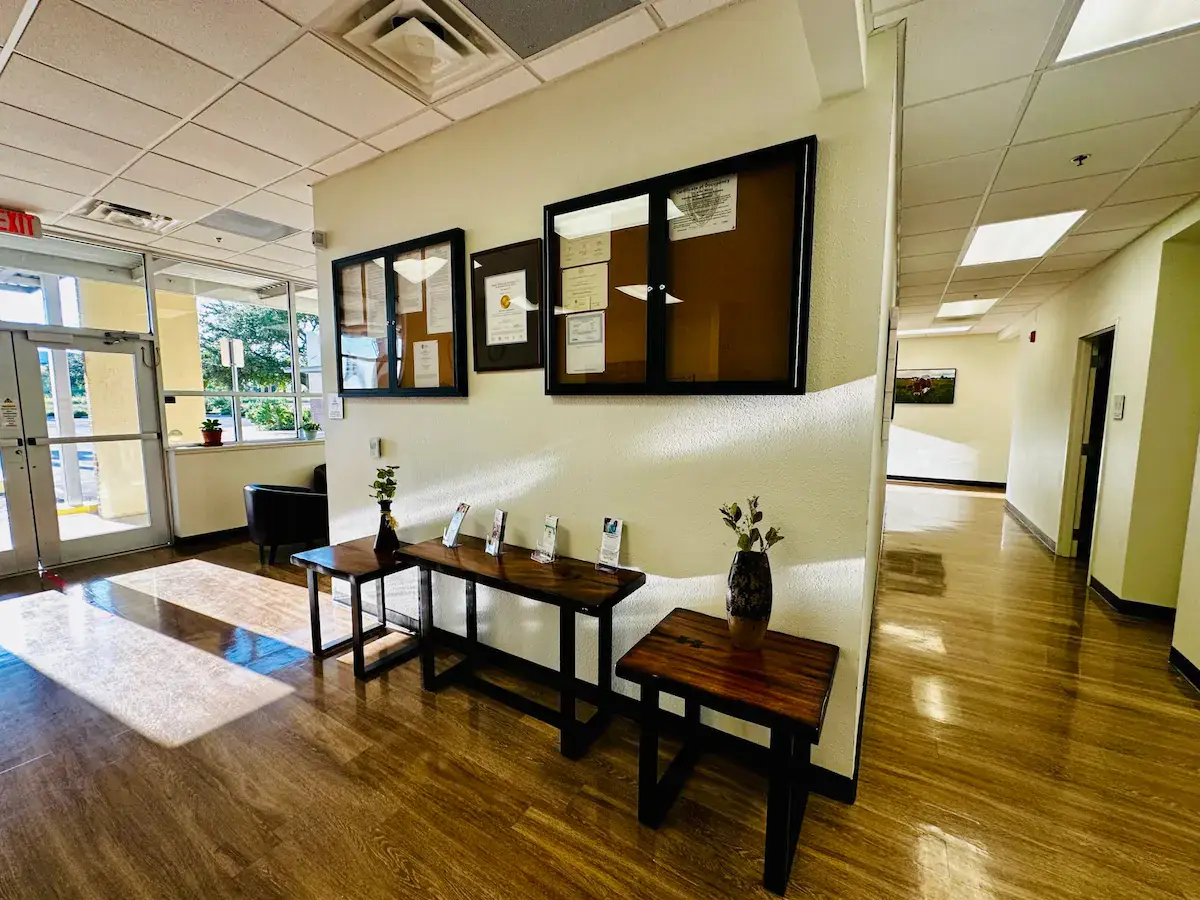
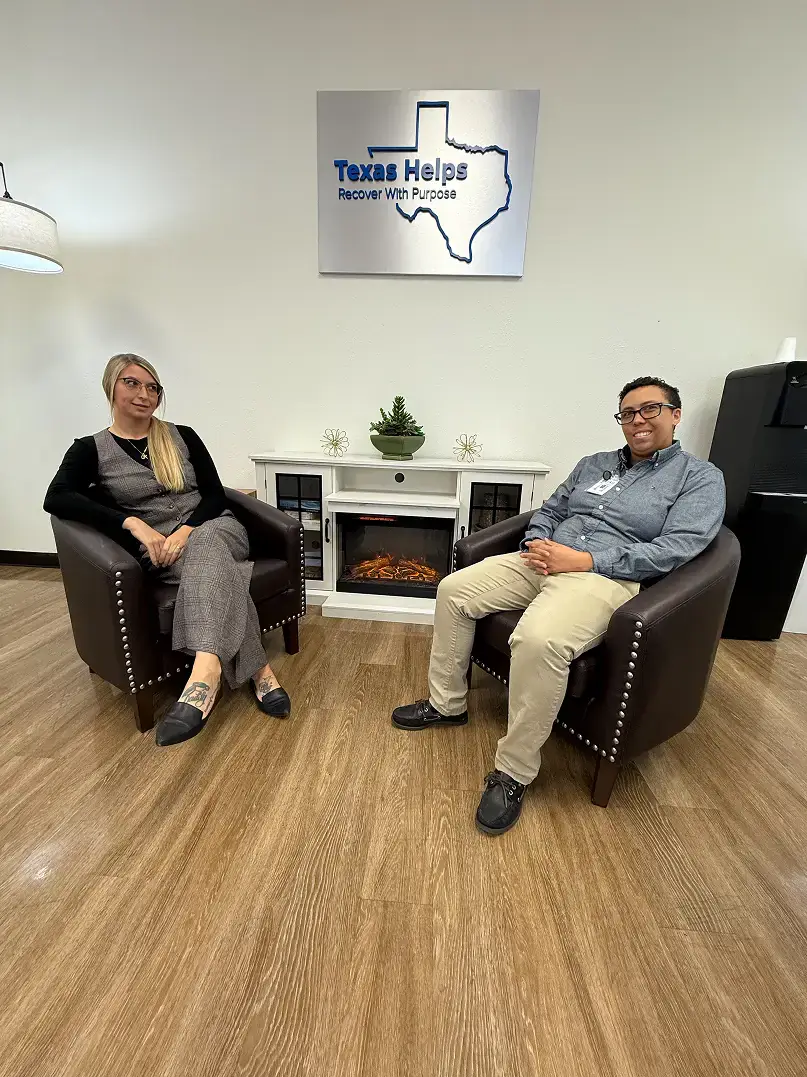
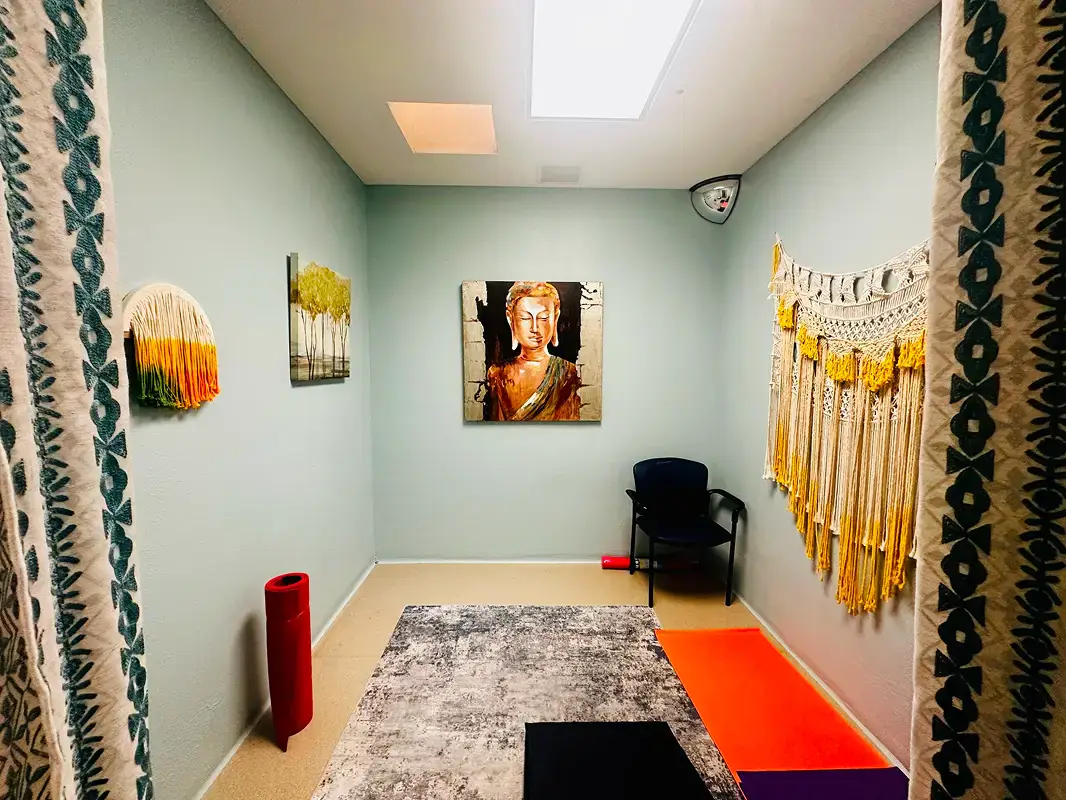
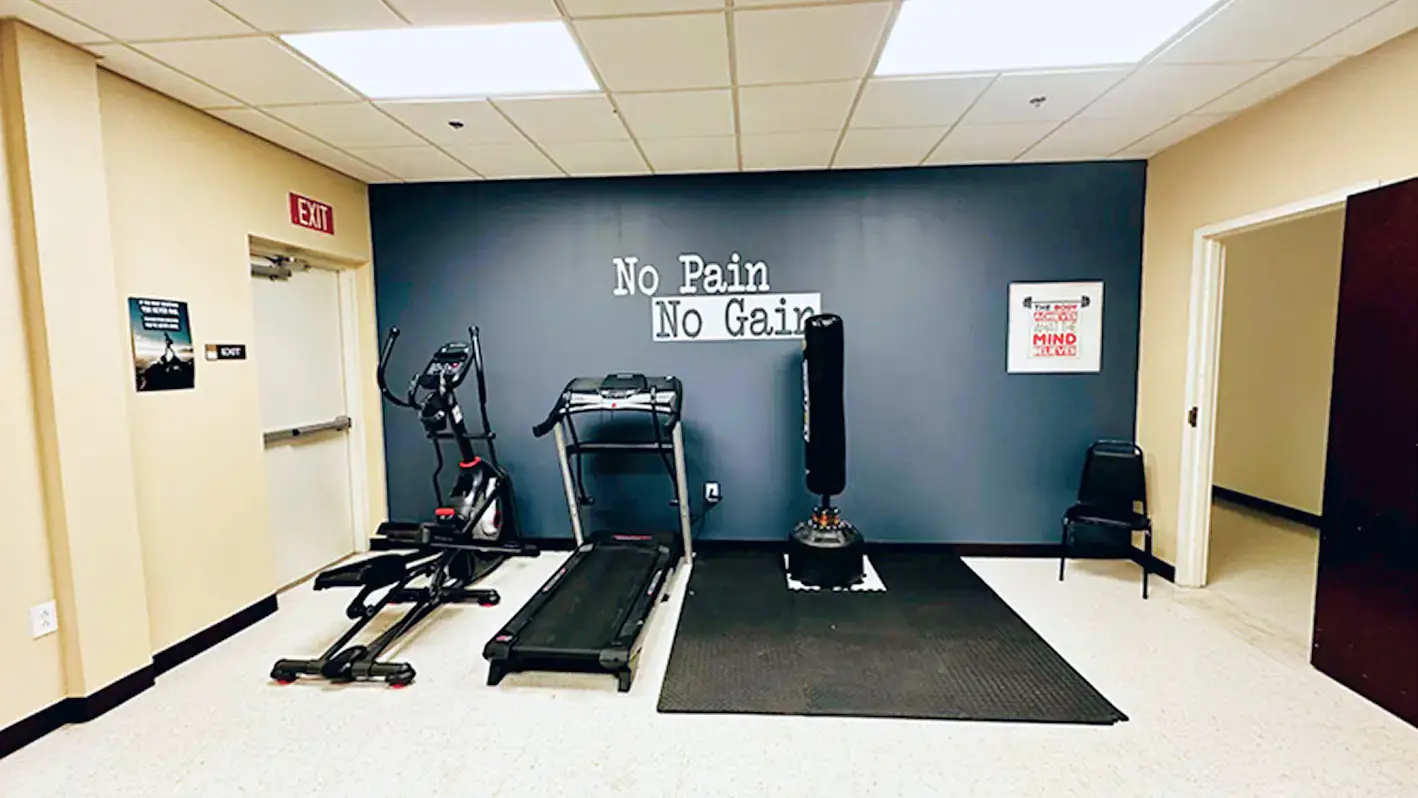
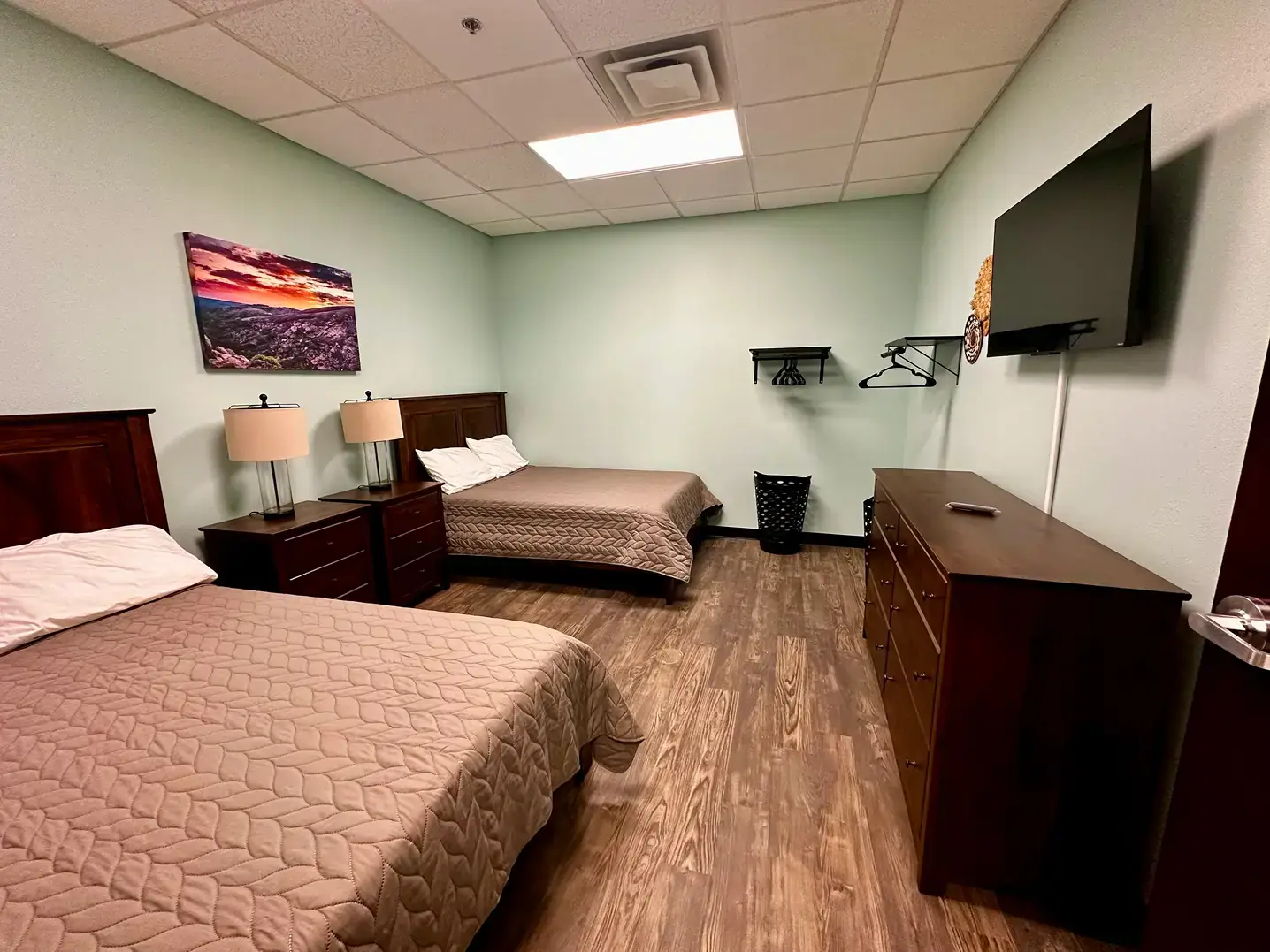
Take a look inside our rehab treatment center in San Marcos, Texas. Our spaces are modern and relaxing, with amenities designed to support you throughout your recovery journey.
Office Address
Visit our office for in-person support and services.
